
Stories About Empathy for Kids
A complete original picture book about noticing how others feel you can read tonight — plus the discussion questions, activities, and age-by-age tips that grow a caring heart.
ByAndyFounder of Doodara
Quick answer
Empathy is teachable, and the books that build it are the ones where a character notices someone else's feelings and does something about it — that noticing is the step children actually lack. This page has a complete original picture book, Ollie Learns to Notice, free to read tonight, plus discussion questions and age-by-age guidance for ages 3-7. The practical move: while reading, pause on any page where a character's face changes and ask "how do you think she feels?" — asking it habitually is what grows the habit.
Empathy — the ability to notice and care how someone else feels — is the quiet root of almost every good thing we want for our children: kindness, friendship, patience, fair play. And like all roots, it grows slowly and out of sight before it shows above the ground.
Very young children are wired to care — a baby cries when another baby cries — but turning that raw sympathy into real empathy takes years. A preschooler is still learning that other people have feelings different from their own, and that those feelings matter. When your child seems oblivious to a friend's tears, they're usually not being unkind. They simply haven't yet learned to notice, or they're too caught up in their own busy world.
The good news is that empathy is teachable. It grows every time we name feelings, point out how others might feel, and model tuning in ourselves. Stories are one of the most powerful tools of all — they let a child step inside someone else's feelings and practise caring from the safe distance of the page.
Why stories help
A story is a machine for practising empathy. When your child watches a character feel sad, left out, or scared, they try that feeling on — safely — and learn, page by page, that others have an inside world just like theirs.
Children learn to notice by watching characters notice. When the hero pauses and realises a friend is hurting, your child rehearses that very moment of tuning in — the crucial first step that turns 'I didn't see' into 'I care.'
And because a story lets you talk about feelings without anyone being in trouble, it opens the easiest conversations you'll ever have about them. 'How do you think she feels?' is a simple question that builds a caring habit every single time you ask it.
How a story becomes a habit
Ollie Learns to Notice
An original picture book about empathy — free to read aloud tonight.
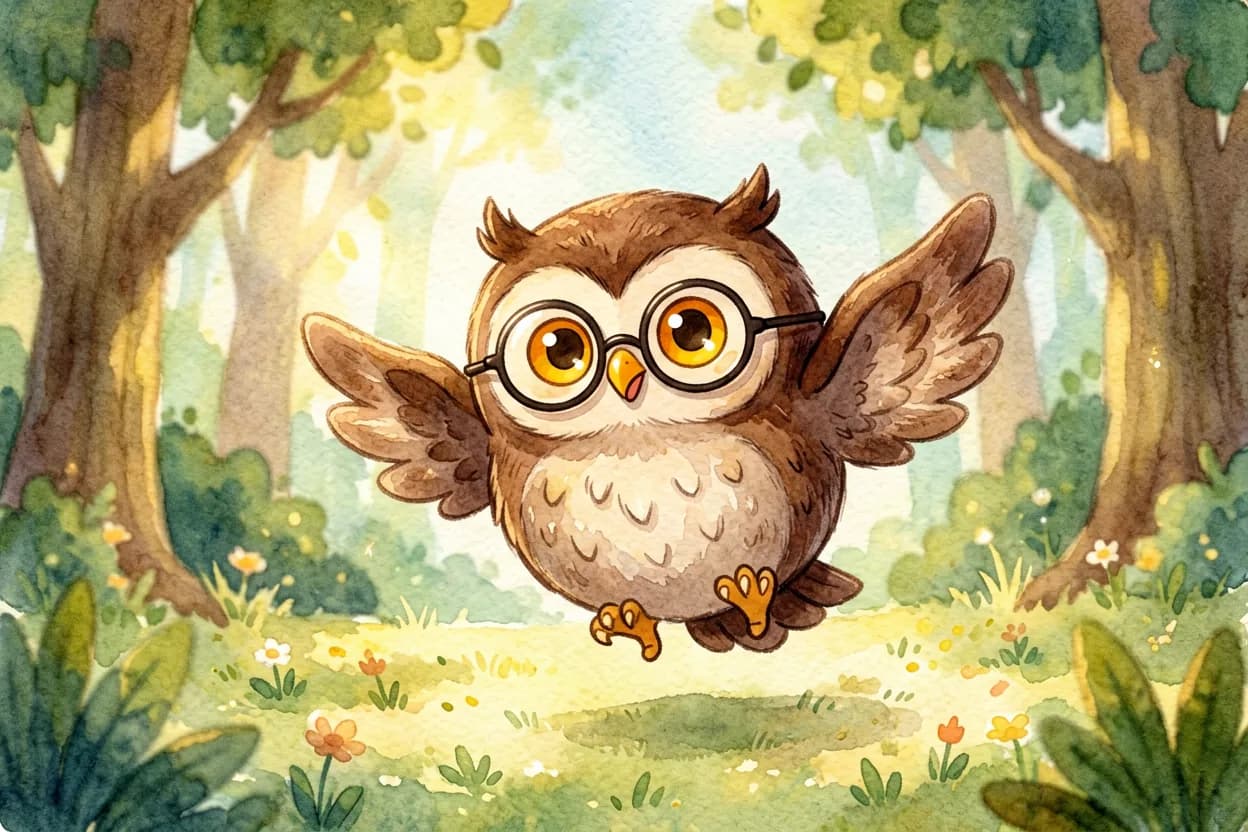
Ollie the little owl was the busiest bird in the whole forest. Whoosh! He swooped after leaves. Zoom! He counted acorns. He was so busy having fun that he barely looked around at all.
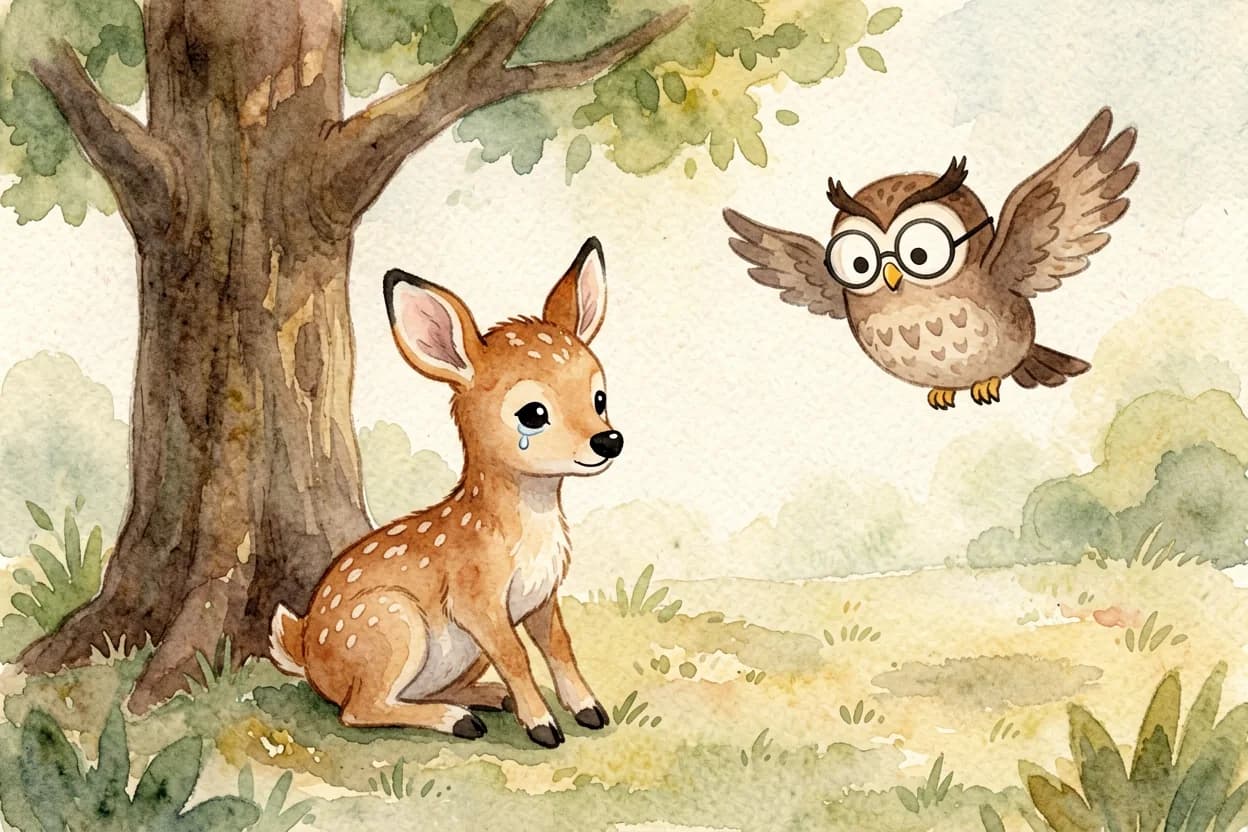
Down below, his friend Fern the little fawn sat all alone under a tree. A big tear rolled down her cheek. She had lost her favourite flower crown, and her heart felt heavy.
"Whee!" called Ollie, zooming right past. "Come and play, Fern!" But Fern didn't move. She just sniffled quietly. Ollie was already gone.
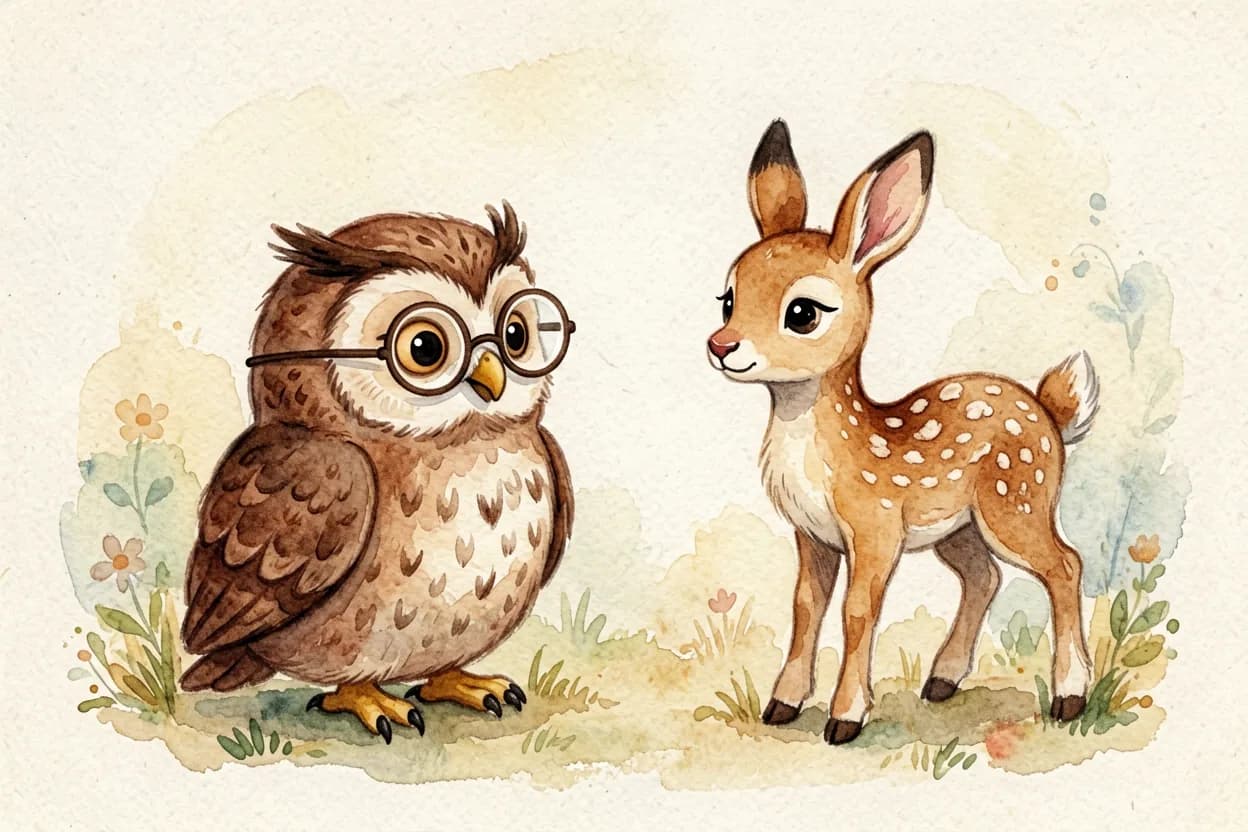
Then Ollie stopped mid-flight. Something felt wrong. He looked back — really looked this time. And he saw Fern's droopy ears and her wet, sad eyes.
"Oh," said Ollie softly. "Fern isn't playing. Fern is sad." And the fun drained right out of his wings, because now he could feel a little of what she felt.
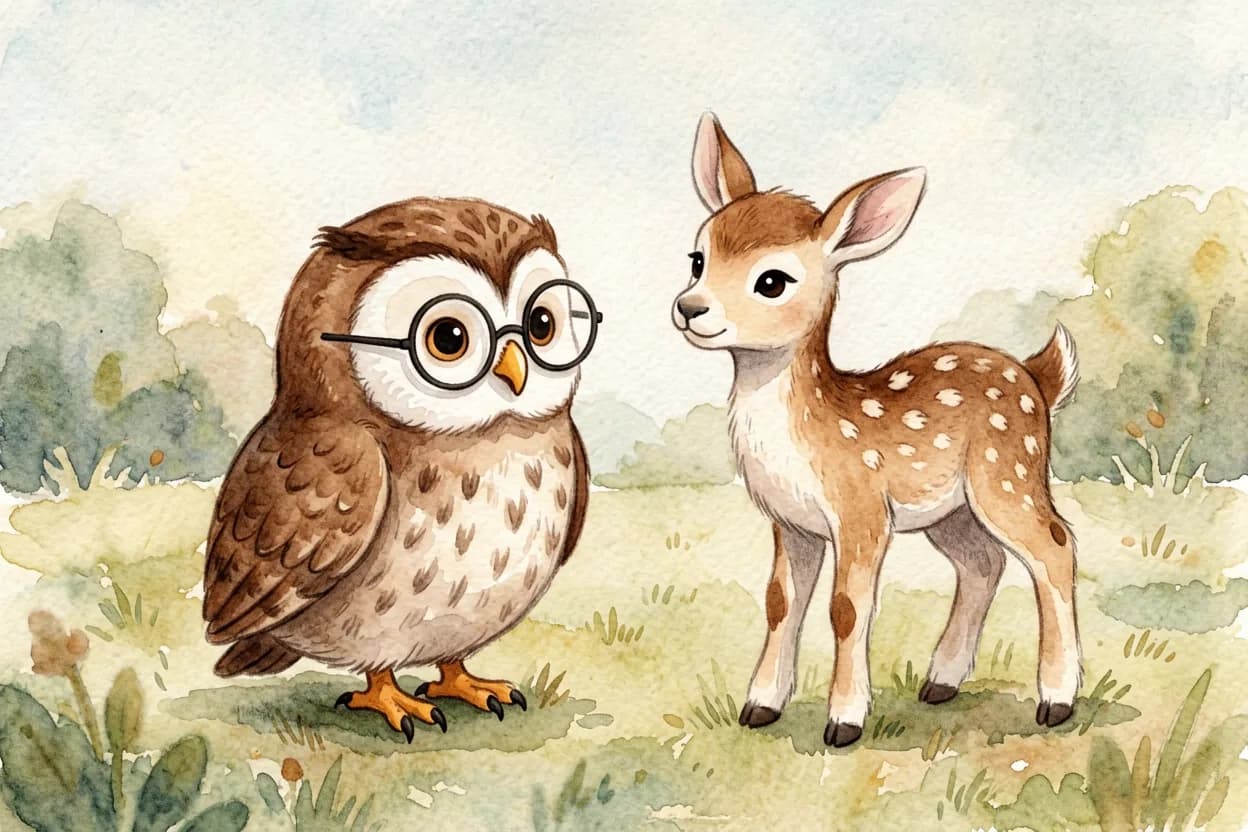
He fluttered down and landed gently beside her. He didn't zoom or rush. He just tilted his head and asked, "What's the matter, Fern? I'm listening."
Fern told him about the lost flower crown. Ollie didn't say "don't be silly" or "cheer up." He just nodded and said, "That sounds really sad. I'd feel sad too."
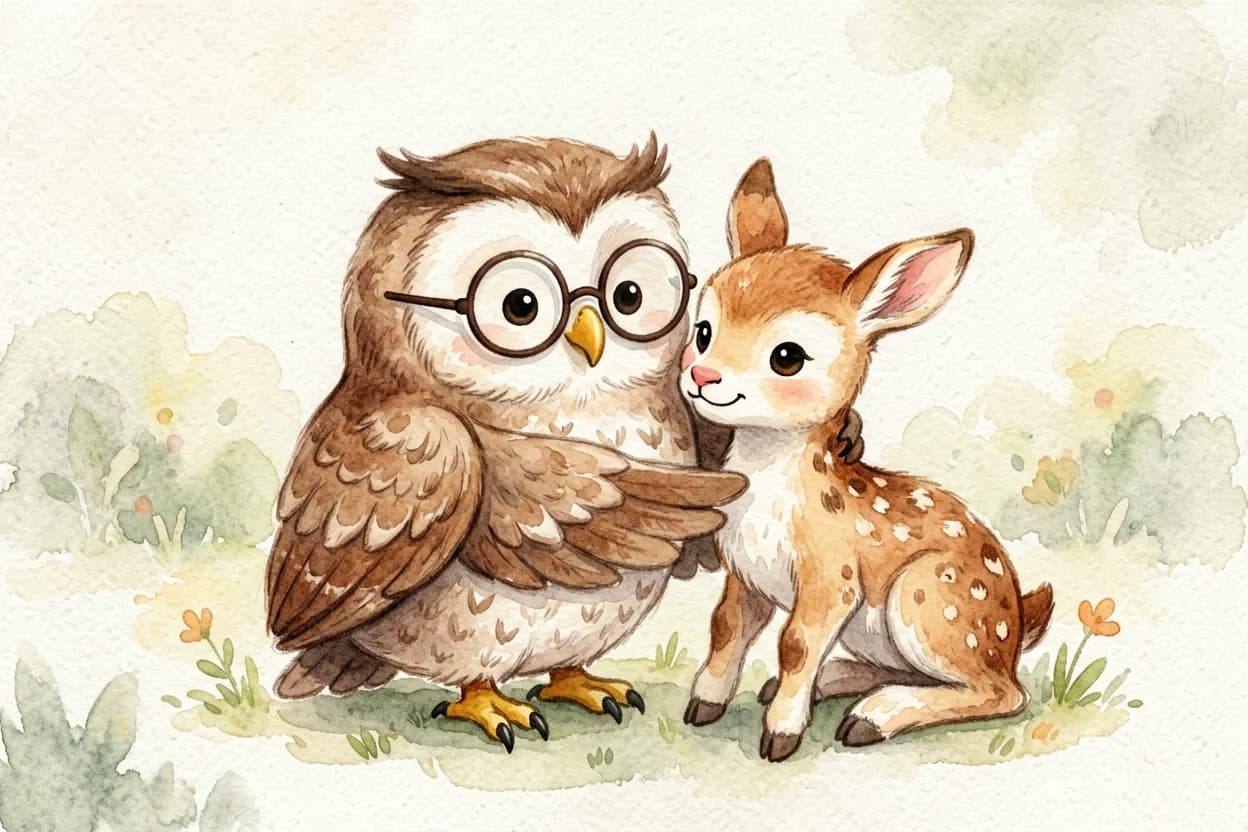
He wrapped a soft, warm wing right around her. And slowly — because someone had noticed, because someone cared — Fern's tears began to dry. A small smile peeked out.
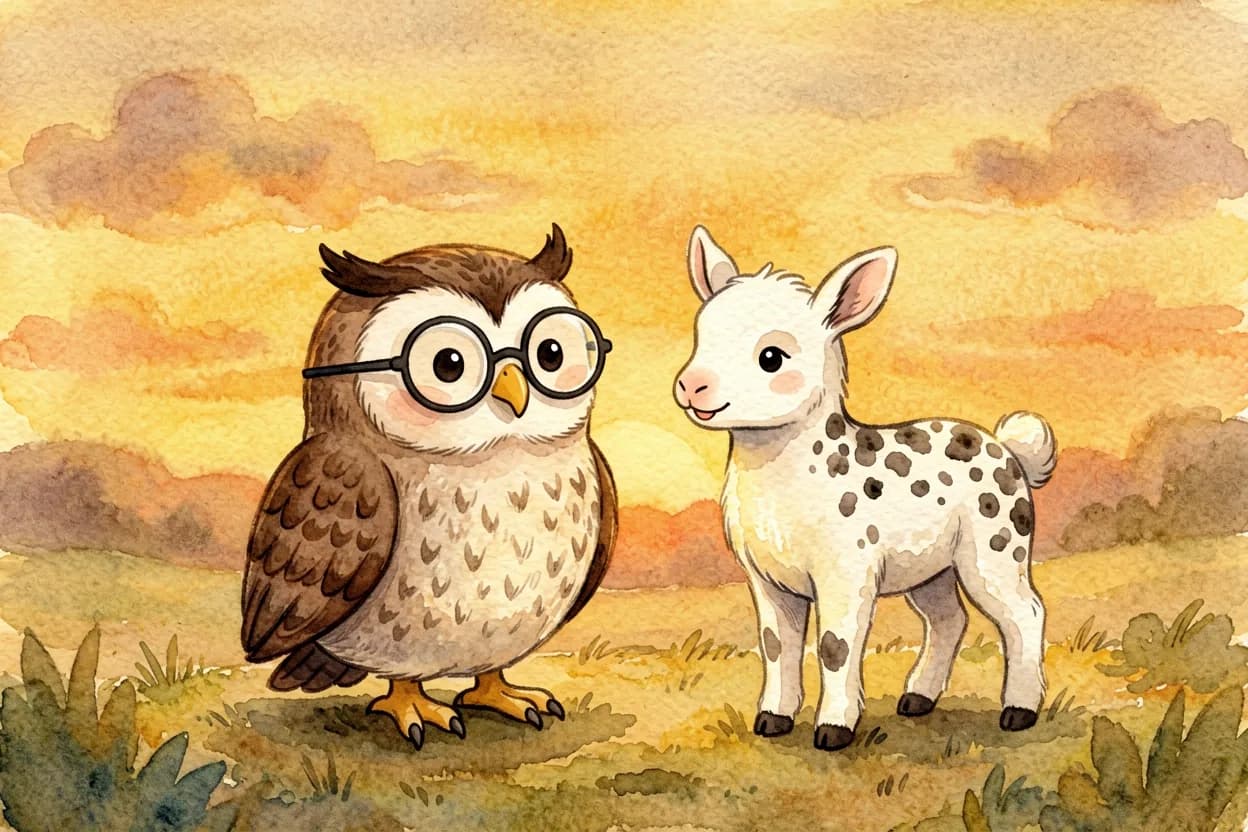
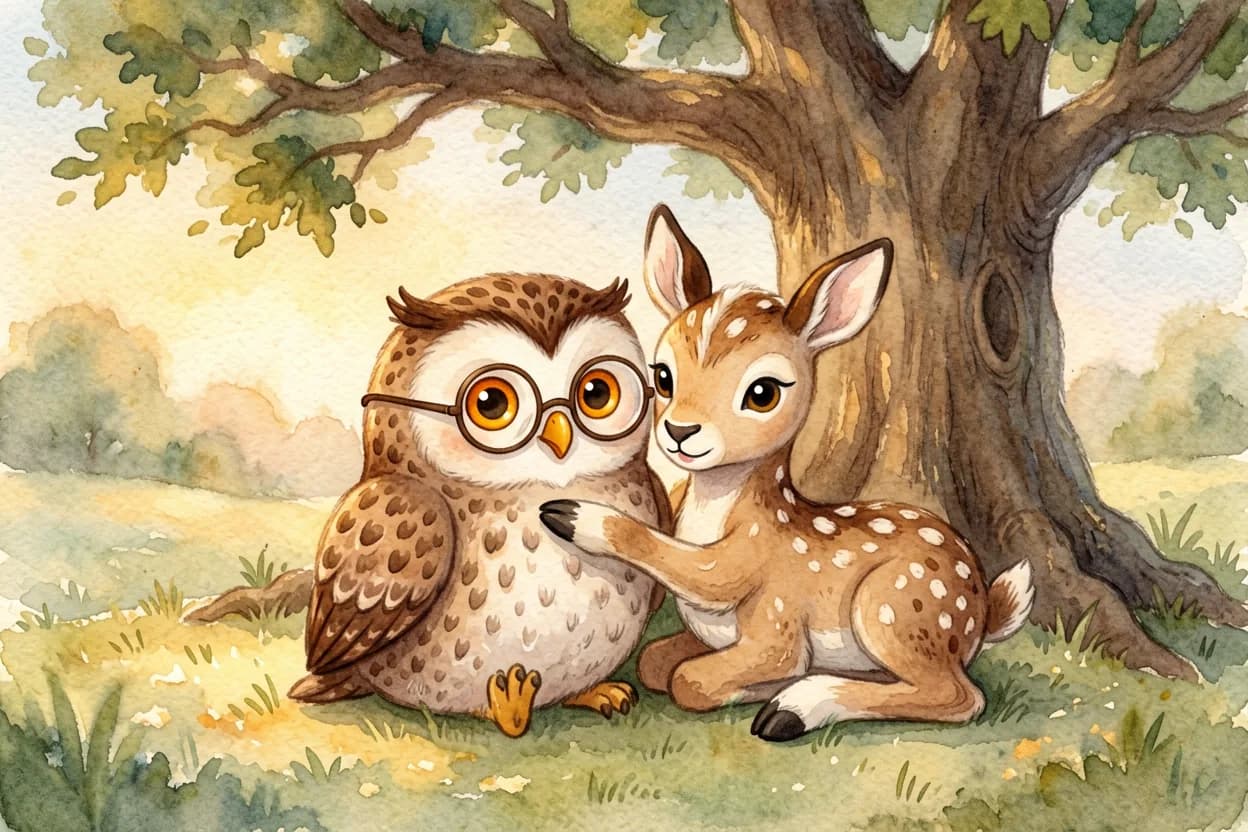
Together they watched the sun sink low and golden. "Thank you for noticing me," said Fern. And Ollie understood something new: the kindest thing of all is simply to see.
Caring starts with noticing. When we stop and really see how someone feels, we always know how to help.
Questions to ask after reading
- 1How was Fern feeling while Ollie was busy playing?
- 2What made Ollie stop and look back?
- 3Why do you think Ollie didn't just say 'cheer up'?
- 4How did Fern feel once Ollie noticed her and listened?
- 5How can you tell when someone is feeling sad, even if they don't say so?
Try it together: activities that grow empathy
Empathy grows every time a child practises noticing and naming feelings. These gentle activities make that practice feel natural.
- Feelings detective. Look at faces in books or photos and guess: 'How do you think they feel? What do you see?' Reading faces is the first muscle of empathy.
- Name it in the moment. Narrate feelings all day — yours, theirs, characters': 'You look frustrated,' 'I feel proud.' A rich feelings vocabulary helps children recognise emotions in others.
- The 'I wonder' game. When you see someone upset (in real life or a story), wonder aloud together: 'I wonder why they're sad? I wonder what would help?' Curiosity is empathy in action.
- Comfort a toy. Play out caring for a 'sad' teddy — asking what's wrong, giving a hug. Rehearsing comfort on a toy makes it easier with a real friend.
- Read the same scene twice. After a story, retell a moment from another character's point of view: 'Now let's tell it as Fern.' Switching perspective is exactly what empathy asks for.
How to use the story at each age
Ages 2-3
Focus on naming feelings, simply and often: happy, sad, angry, scared. At this age children are only beginning to grasp that others feel differently than they do, so model comforting — 'teddy is sad, let's hug him' — and don't expect consistent empathy yet.
Ages 4-5
Pause at the moment Ollie notices Fern: 'What did he see that told him she was sad?' Children this age can start reading faces and body language. Ask 'how do you think they feel?' often — in stories and real life — to build the noticing habit.
Ages 6-7
Go deeper into perspective-taking: 'Why might Fern not want to play? What would you want if you felt that way?' Older children can imagine feelings quite different from their own, and talk about how to help without being told exactly what's wrong.
Common mistakes (and what to do instead)
- Rushing to 'cheer up'. Jumping straight to fixing a feeling teaches children to skip past emotions. Model sitting with it first — 'that sounds hard' — the way Ollie does. Feeling heard is what actually helps.
- Dismissing your child's own feelings. 'You're fine, stop crying' teaches a child that feelings don't matter — the opposite of empathy. A child whose feelings are taken seriously learns to take others' seriously too.
- Expecting empathy too early. A three-year-old who ignores a crying friend isn't cold; they're still developing. Model and name rather than scold, and give it time.
- Only talking about feelings when things go wrong. Name happy and proud and excited too, not just the hard ones. A full feelings vocabulary makes the whole inner world easier to read in others.
- Forcing an apology instead of understanding. A forced 'sorry' skips the empathy step. Help your child first see how the other person feels — real remorse, and a genuine sorry, tends to follow.
Using the lesson in everyday moments
The story teaches noticing; daily life is where empathy gets its practice. Here's where it shows up.
- When a friend is upset. Coach the Ollie move: stop, look, ask 'are you okay?' Noticing and asking is something even a young child can learn to do reliably.
- Reading books and shows. Pause and wonder how a character feels and why. Stories are a low-stakes gym for reading other people's emotions.
- During sibling conflicts. Instead of assigning blame, ask each child how the other might feel. Perspective-taking cools conflict and builds empathy at the same time.
- Caring for pets and nature. Wondering what an animal needs or feels — hungry, tired, scared — is empathy a child can practise gently every day.
A simple checklist to follow
- Read the story together, unhurried, with time for the pictures
- Pause when Ollie stops and notices Fern is sad
- Ask one or two of the discussion questions — don't quiz
- Name feelings out loud together this week — the happy ones too
- Coach the 'stop, look, ask if they're okay' move in real life
- Take your child's own feelings seriously so they learn to take others' seriously
Make the story about your child
An owl named Ollie is a lovely place to begin. But children pay closest attention when the one who learns to notice is someone they know from the inside — themselves.
When your child is the hero who stops, really sees that a friend is sad, and sits down to comfort them, empathy stops being about an owl and starts being about them. Their name, their friend, their caring choice — the version they'll ask to hear again and again.
A generic story
A little owl learns to notice that his friend the fawn is sad, and comforts her.
Your child's story
Aria notices her friend Sam is sad at the park and sits down to comfort him — with Aria as the caring hero on every page.
Parents also ask
What is empathy, and why does it matter for young children?
Empathy is the ability to notice and care how someone else feels. It's the root of kindness, friendship, and fair play, so building it early gives a child the foundation for strong relationships. It develops gradually — noticing and naming feelings is where it starts.
At what age do children develop empathy?
Babies show early sympathy (crying when others cry), but true empathy — understanding that others have feelings different from their own — develops across the toddler and preschool years and keeps deepening into the early-school years. Inconsistent empathy in a three- or four-year-old is completely normal.
My child doesn't seem to care when others are upset. Should I worry?
Usually not. Young children are often too caught up in their own world to notice others' feelings, and noticing is a skill that grows with practice. Model tuning in, name feelings often, and ask 'how do you think they feel?' If you have deeper concerns about your child's social development, your pediatrician is a good place to start.
How can I teach empathy at home?
Name feelings all day (yours, theirs, characters'), wonder aloud how others might feel, model comforting rather than rushing to 'cheer up,' and take your child's own feelings seriously. Stories are especially powerful — they let a child practise stepping into someone else's feelings safely.
Can reading stories really build empathy?
Yes — this is one of the best-supported ways stories help. Following a character's inner world gives children direct practice at understanding feelings different from their own. Talking about how characters feel as you read multiplies the benefit.
Should I make my child say sorry when they hurt someone?
A forced apology often skips the empathy step. It's more effective to first help your child notice how the other person feels — 'look how sad they are' — and let a genuine sorry follow once they understand the impact.
Are personalized stories more effective for teaching empathy?
For many children, yes. A story where they are the one who notices and comforts a friend, in their own world, makes the lesson vivid and personal. It's not a replacement for real-life practice, but as a way to rehearse caring it can be powerful.
More free stories for kids
About the author
Andy — Andy is the founder of Doodara and builds the illustration pipeline behind it — the part that has to keep a child's character looking like the same child on every page of a book. Most of that work is character consistency, content safety for material aimed at young children, and the unglamorous business of making a generated book good enough that a family reads it twice.