Stories About Gratitude for Kids
A complete original picture book about being thankful you can read tonight — plus the activities and age-by-age tips that help your child notice and treasure the good things around them.
ByAndyFounder of Doodara
Quick answer
Gratitude does not come naturally to young children, and the books that build it work by noticing specific small things rather than lecturing about being thankful. This page has a complete original picture book, Bea's Thank-You Garden, free to read tonight, plus discussion questions and age-by-age guidance for ages 3-7. The practical move: after reading, start a nightly round where each of you names one good thing from the day — concrete and small, not "my family" — since the noticing is the skill, not the saying.
"I want MORE." "But I don't LIKE this one." If your child seems to want everything and appreciate nothing, you're not raising an ungrateful child — you're raising a normal one. Gratitude doesn't come naturally to young children; their world is understandably centred on their own wants, and noticing and treasuring what they already have is a skill that grows slowly, with gentle nurturing over years.
It helps to remember that little children live very much in the moment and are still learning that good things — food, toys, a warm home, a loving family — don't simply appear, but come from somewhere and someone. Expecting a three-year-old to feel deep thankfulness is a bit like expecting them to read: it will come, but not by being told to try harder. What we can do is plant the seeds and tend them.
And it's worth tending, because gratitude is one of the surest paths to a happy heart. Children who learn to notice the good things tend to be more content, more generous, and less caught in the trap of always wanting more. The best way to grow it isn't lectures about being thankful, but everyday noticing — modelling it, practising it together, and sharing stories where a character discovers the joy of a grateful heart.
Why stories help
Gratitude is really the skill of noticing, and a story teaches noticing beautifully. When a character stops to see and thank the good things around them, your child practises turning their gaze toward what they have rather than what they lack.
Children copy characters they love. A little bee who discovers the joy of saying thank you to the garden is far more persuasive than 'say thank you' repeated at the dinner table. The story shows how good gratitude feels, from the inside.
And a story quietly reframes a child's whole outlook from wanting to appreciating. Watching a hero find happiness not in getting more but in treasuring what's already there plants a way of seeing the world that lasts far longer than any single 'thank you.'
How a story becomes a habit
Bea's Thank-You Garden
An original picture book about gratitude — free to read aloud tonight.
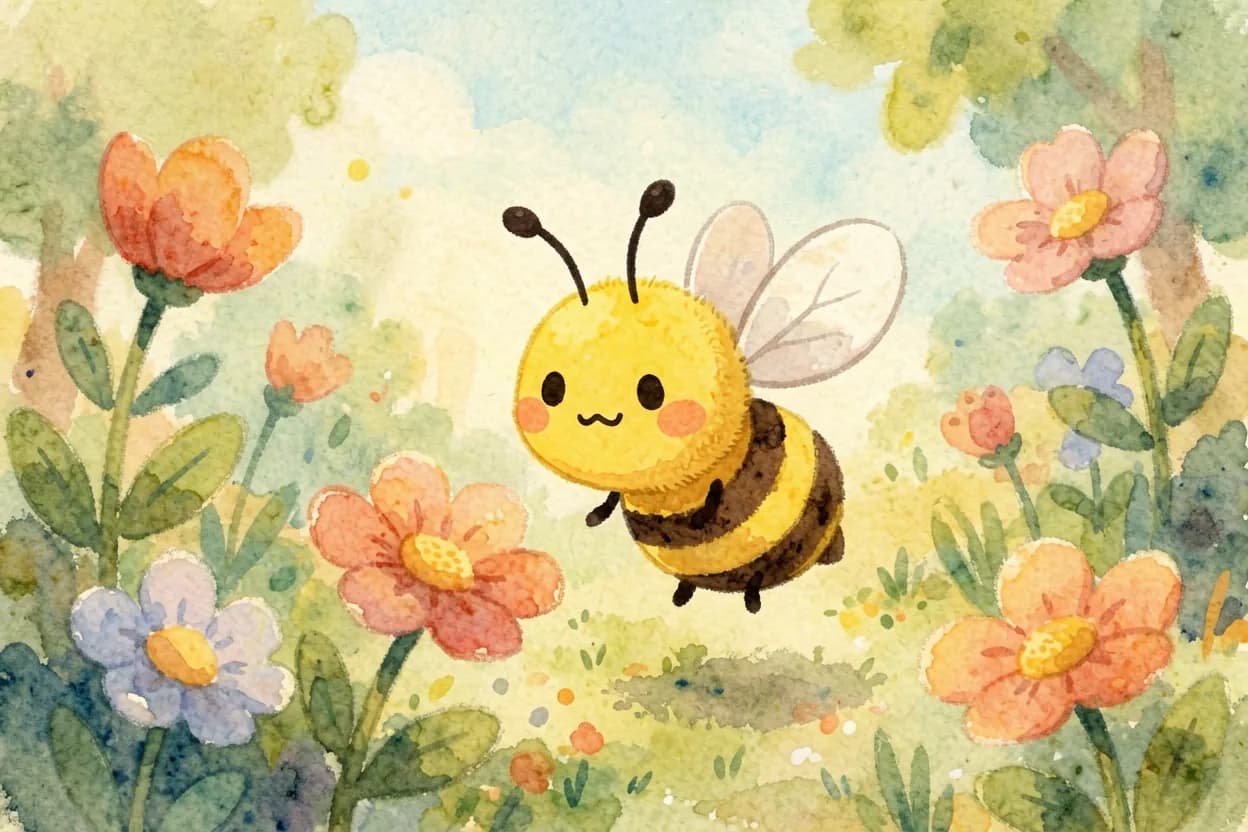
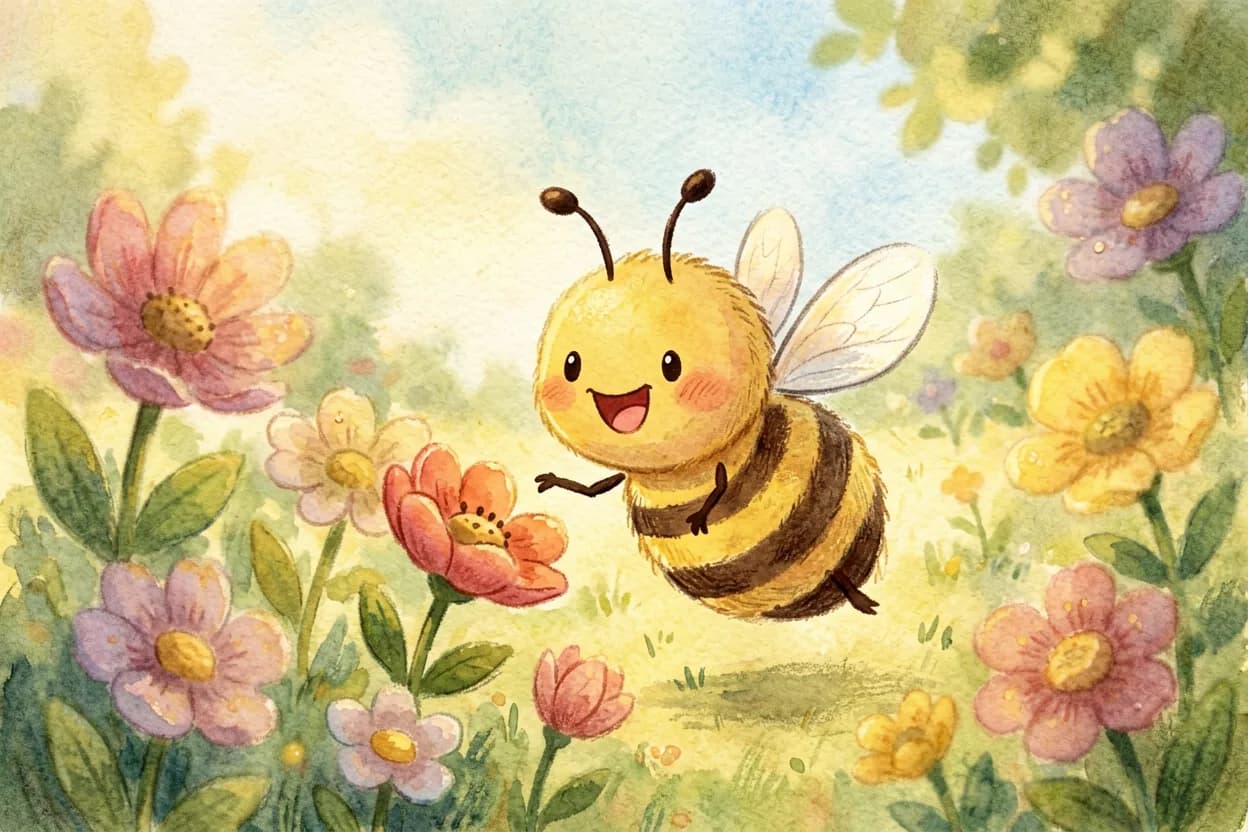
Bea was a little honeybee who was always, always wanting more. "I want more nectar," she'd buzz. "I want a bigger flower. I want, I want, I want!" No matter how much she had, it never felt like quite enough.
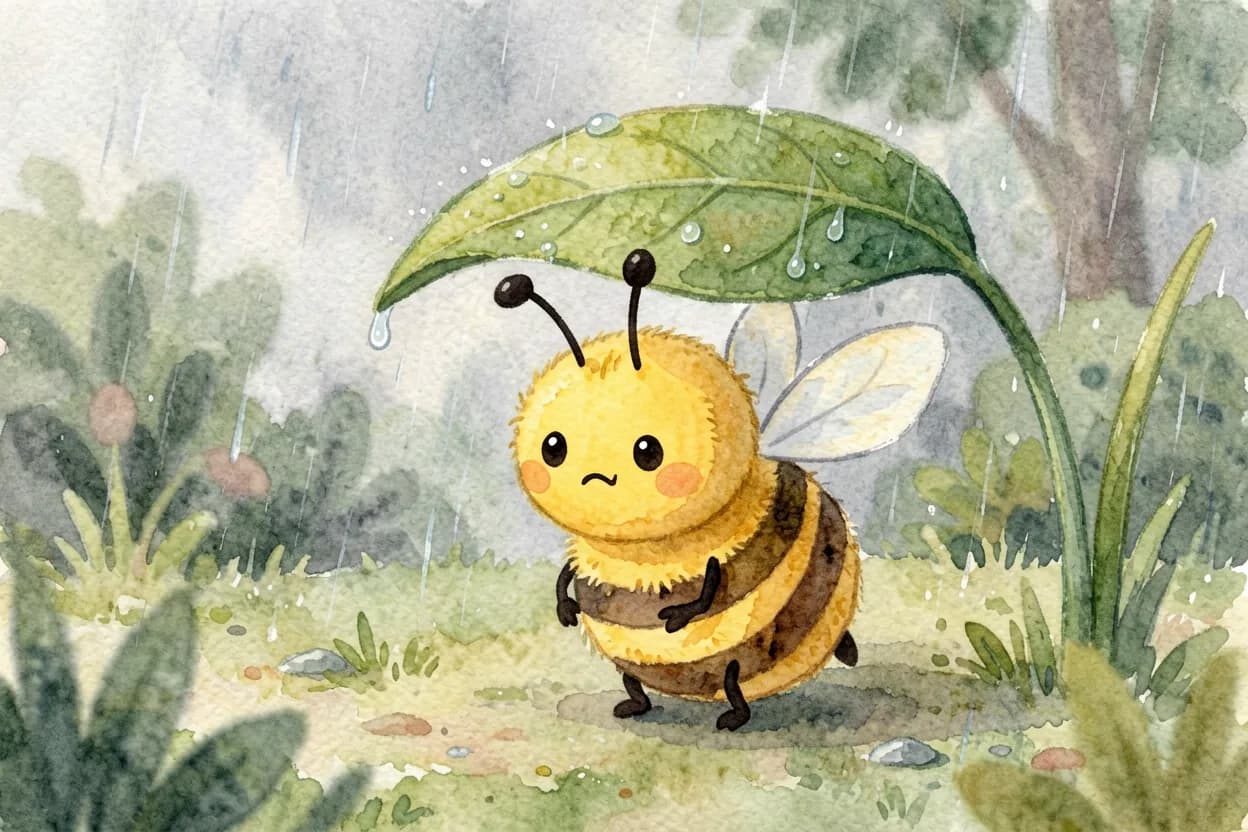
One grey morning, Bea flew out grumbling as usual. "This garden is boring. I wish I had a better one." She was so busy wishing that she didn't notice the sky darkening — until fat raindrops began to fall. Plip! Plop! Bea had to shelter under a leaf all day.

The next morning, the sun came out. And when Bea flew into the garden, she gasped. The rain had washed everything clean. The flowers sparkled with dew. Their colours glowed. Their sweet smell filled the air. It was the most beautiful thing she'd ever seen.
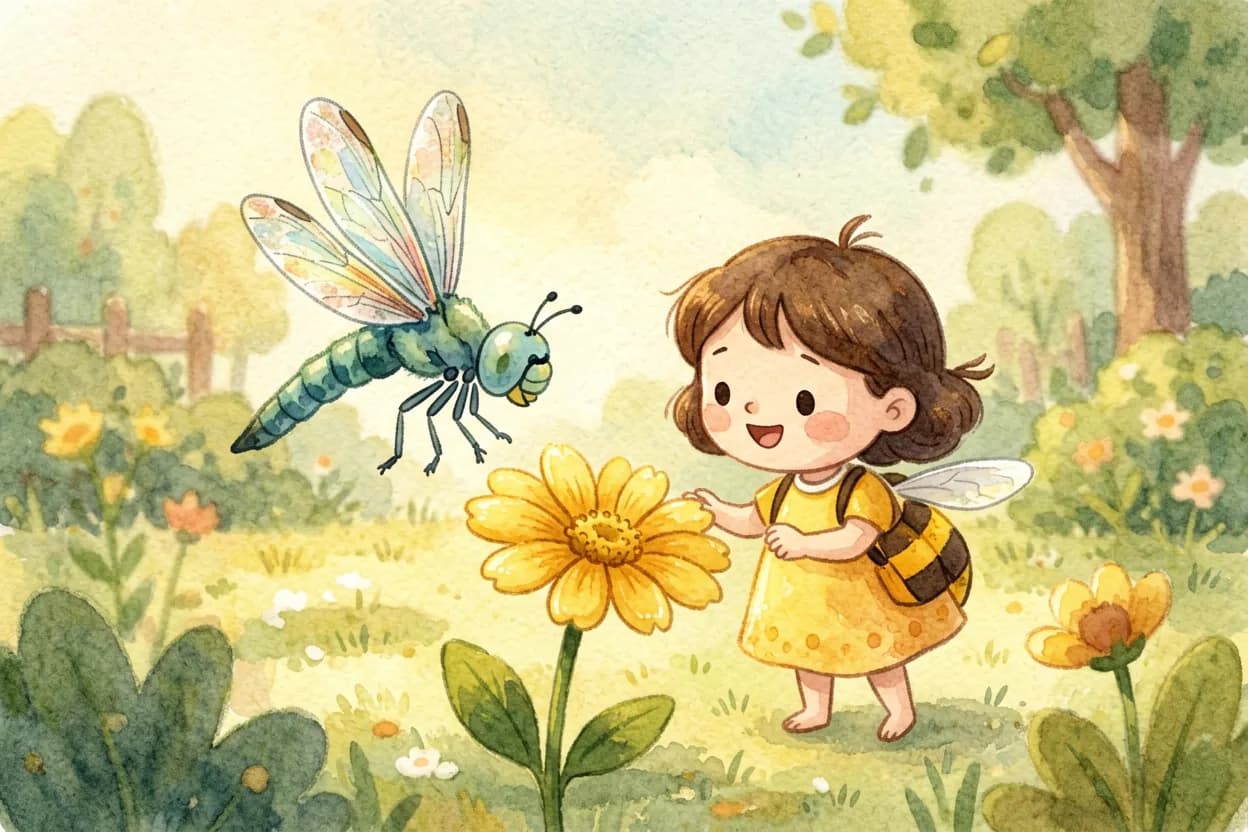
A wise old dragonfly hovered by. "Lovely, isn't it?" she said. "It was always this lovely, Bea. You were just too busy wanting more to notice." Bea landed on a golden flower and really, truly looked at it — perhaps for the very first time.
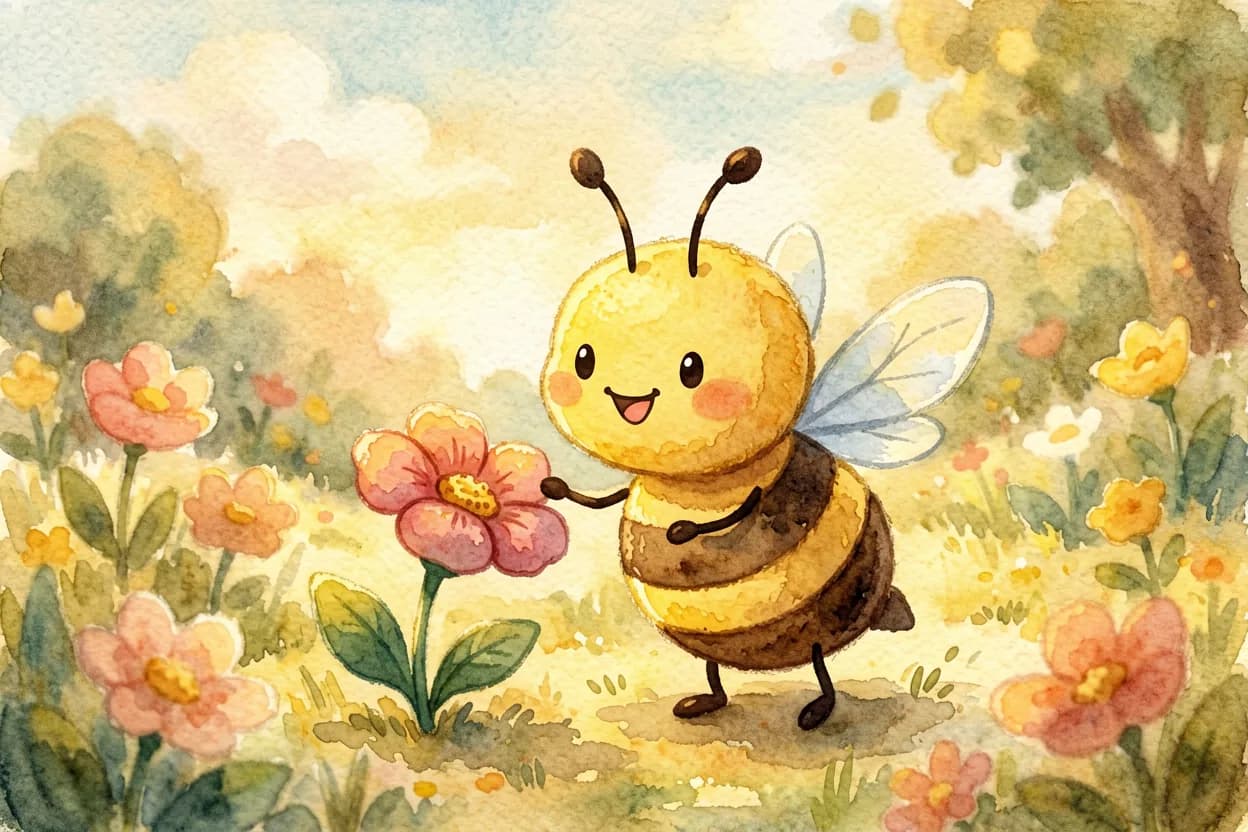
"Thank you," Bea whispered to the flower, "for your sweet nectar." And a warm, happy glow spread through her. So she said it again, to the next flower, and the next. "Thank you. Thank you. Thank you."
The more Bea noticed and thanked, the happier she felt — happier than 'wanting more' had ever made her. "I have SO much," she realised. "A whole garden of gifts, and I never even saw them."
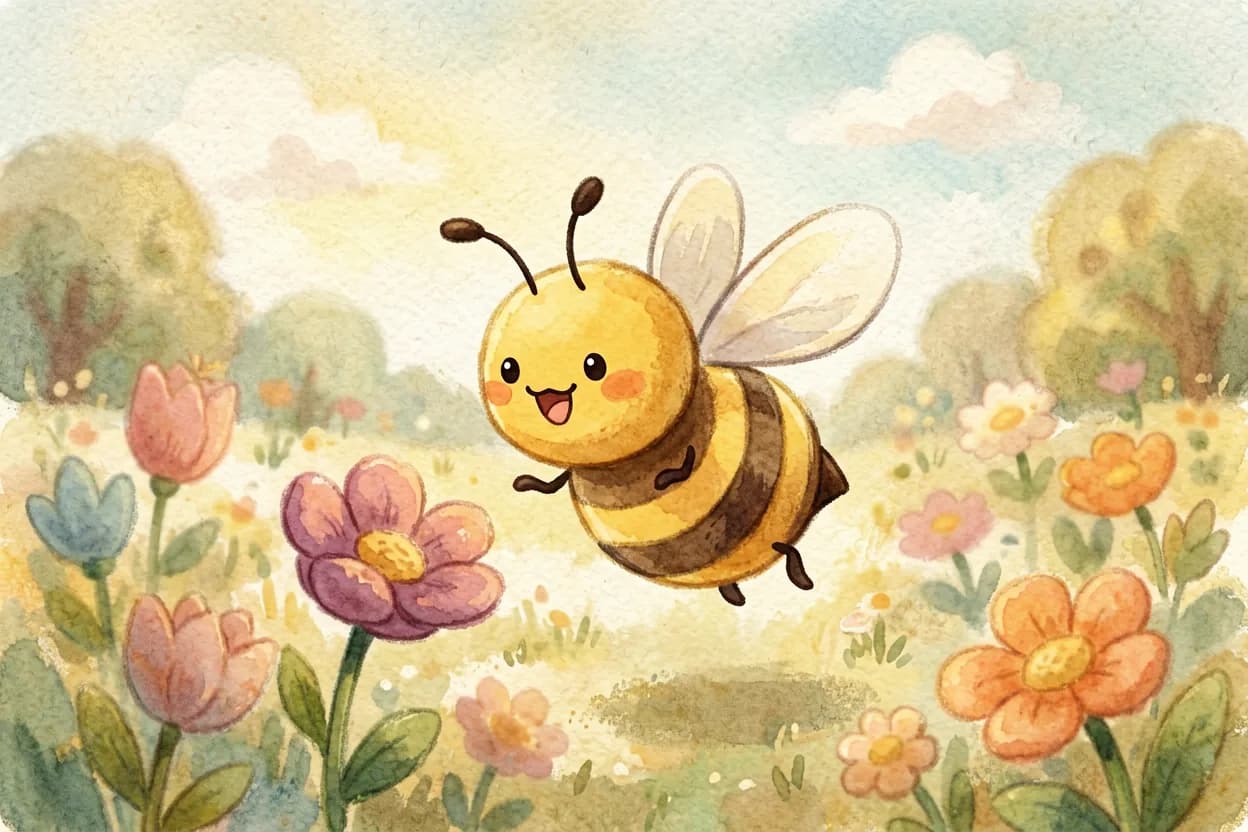
From then on, every morning, Bea flew through the garden saying thank you. And her little heart felt full — not because she had more, but because at last, she noticed all she had.
Happiness isn't having more. It's noticing all the good things you already have — and saying thank you.
Questions to ask after reading
- 1What was Bea always wishing for at the start?
- 2What did Bea notice about the garden after the rain?
- 3Why do you think Bea had never noticed how beautiful it was before?
- 4How did Bea feel when she started saying thank you?
- 5What are some good things in YOUR day that you could say thank you for?
Try it together: growing a grateful heart
Gratitude grows through everyday noticing, not lectures. These gentle practices help your child treasure what they have.
- Three good things. At dinner or bedtime, each share three good things from the day — however small. Regular noticing trains a child's eyes toward the good, just like Bea.
- A thank-you garden (or jar). Add a drawn flower or a note to a jar for each thing you're thankful for. Watching gratitude 'grow' makes it visible and rewarding.
- Say thank you to people. Encourage genuine thank-yous to the people behind good things — the cook of dinner, a friend who shared. Linking gratitude to real people deepens it.
- Make a thank-you card or picture. Help your child draw a card for someone they're grateful for. Giving thanks in a concrete way makes the feeling real.
- Notice the everyday gifts. Point out the ordinary good things aloud — a sunny sky, a warm dinner, a cosy bed. Modelling noticing teaches gratitude far better than telling.
How to use the story at each age
Toddlers (2-3)
Keep it simple and modelled. Say your own thank-yous warmly and often, and gently encourage theirs, but don't expect deep gratitude yet — at this age it's mostly imitation. Naming good things out loud ('yummy dinner, thank you!') plants the earliest seeds.
Preschoolers (3-5)
Now you can build small daily rituals like 'three good things' and a thank-you jar. Pause at Bea's discovery: 'What did she notice? How did it feel?' Encourage genuine thank-yous to real people, and gently guide the shift from 'I want' to 'look what I have.'
Older children (5-7)
Children this age can grasp that good things come from somewhere and someone, and can feel real appreciation. Talk about where things come from, encourage thank-you notes and helping others, and discuss how noticing the good makes us happier than always wanting more.
Common mistakes (and what to do instead)
- Forcing hollow 'thank yous'. Demanding a thank-you produces a word without a feeling. Model genuine gratitude and let real thankfulness grow, rather than drilling the phrase.
- Lecturing about being grateful. 'You should be grateful, some children have nothing' induces guilt, not gratitude. Everyday noticing and modelling work far better than shame.
- Over-buying and over-giving. A constant stream of new things leaves little to appreciate. A little less, valued more, grows gratitude better than plenty taken for granted.
- Only noticing what's missing. If we model complaining about what we lack, children learn to do the same. Model noticing and thanking the good things out loud.
- Expecting gratitude too early. A young child who wants more and appreciates little isn't ungrateful — they're developing. Plant seeds patiently; the harvest comes with time.
Using the lesson in everyday moments
The story reframes wanting into appreciating; daily life is where gratitude is practised. Here's where it shows up.
- At mealtimes. A simple thank-you for the food, and to whoever made it, turns a daily routine into a moment of noticing the good.
- At bedtime. Ending the day with 'three good things' sends a child to sleep noticing the good — a lovely, gratitude-building ritual.
- When 'I want' strikes. Gently redirect from wanting to having: 'That does look fun. Shall we notice what wonderful things we already have?'
- After receiving. Help your child thank the giver genuinely, and later remember the gift. Linking things to the people and care behind them deepens gratitude.
A simple checklist to follow
- Read the story together, unhurried, with time for the pictures
- Start a daily 'three good things' or thank-you ritual
- Model genuine gratitude out loud, often
- Encourage real thank-yous to the people behind good things
- Gently redirect 'I want' toward 'look what I have'
- Be patient — gratitude grows slowly, with tending
Make the story about your child
A honeybee named Bea is a sweet guide. But children pay closest attention when the one discovering gratitude is someone they know from the inside — themselves.
When your child is the hero who always wants more and then discovers the joy of noticing and thanking, the story stops being about a bee and becomes a mirror of their own heart growing fuller. Their name, their world, their thank-yous — a gentle nudge toward a happier, more grateful way of seeing.
A generic story
A little bee learns to stop wanting more and to treasure the garden she already has.
Your child's story
Amara always wants more toys, then discovers the joy of noticing and thanking all the good things she already has — with Amara as the hero on every page.
Parents also ask
At what age can children understand gratitude?
Gratitude develops gradually. Toddlers can imitate thank-yous but don't yet feel deep thankfulness. Preschoolers can start to notice good things and appreciate them with guidance, and by around five to seven many children grasp that good things come from somewhere and someone, and can feel genuine appreciation. Patience and everyday practice matter more than a specific age.
How do I teach my child to be grateful?
Through everyday noticing rather than lectures. Model genuine gratitude out loud, build small daily rituals like sharing 'three good things,' encourage real thank-yous to the people behind good things, and gently redirect 'I want' toward 'look what we have.' Stories about gratitude help by showing how good it feels from the inside.
My child seems ungrateful and always wants more. Is that normal?
Completely normal. Young children are naturally centred on their own wants, and appreciating what they already have is a skill that grows slowly. It doesn't mean your child is spoiled or ungrateful — just that gratitude is still developing. Modelling and gentle daily practice plant the seeds that grow over the years.
Should I make my child say thank you?
Gently encouraging thank-yous is fine, but forcing them tends to produce a hollow word without the feeling. It's more effective to model genuine gratitude yourself and let real thankfulness grow. Over time, prompted thank-yous become sincere ones as your child comes to understand and feel appreciation.
Does having fewer toys help children be more grateful?
Often, yes. A constant stream of new things can leave little to appreciate, while a little less, valued more, gives children the chance to treasure what they have. It's less about strict limits and more about not letting good things become so plentiful they're taken for granted.
Why does gratitude matter for children's happiness?
Children who learn to notice the good things tend to be more content, more generous, and less caught in the trap of always wanting more. Gratitude shifts the focus from what's lacking to what's already there, which is one of the surest foundations for a happy, resilient heart.
Are personalized stories helpful for teaching gratitude?
For many children, yes. A story where they are the hero who discovers the joy of noticing and thanking makes the lesson vivid and personal, and gently reframes their outlook from wanting to appreciating. It's a lovely tool alongside everyday modelling and simple gratitude rituals.
More free stories for kids
About the author
Andy — Andy is the founder of Doodara and builds the illustration pipeline behind it — the part that has to keep a child's character looking like the same child on every page of a book. Most of that work is character consistency, content safety for material aimed at young children, and the unglamorous business of making a generated book good enough that a family reads it twice.