Stories About Good Manners for Kids
A complete original picture book about the magic words you can read tonight — plus the discussion questions, activities, and age-by-age tips that help your child learn genuine, kind manners.
ByAndyFounder of Doodara
Quick answer
Manners stick when a child understands what please and thank you do to the other person, so the books that work show the effect rather than drilling the rule. This page has a complete original picture book, Gilbert's Magic Words, free to read tonight, plus discussion questions and age-by-age guidance for ages 3-7. The practical move: after reading, stop prompting with "what's the magic word?" and start narrating the effect — "that made her smile" — which teaches the reason instead of the reflex.
"What's the magic word?" Every parent has prompted it a hundred times. Teaching manners — please, thank you, waiting your turn, not grabbing — can feel like an endless round of reminders. But good manners aren't just about being polite for its own sake; at heart, they're kindness made visible, a way of showing others they matter. And that's a lesson worth teaching with patience, not just repetition.
It helps to remember that manners don't come naturally to young children. A toddler who snatches or forgets to say thank you isn't rude by nature — they're simply young, focused on their own wants, and still learning that little words and gestures make other people feel good. Understanding why manners matter, not just parroting the words, takes time and grows alongside empathy and social awareness across the early years.
The most effective way to teach manners isn't nagging, but making politeness feel warm and worthwhile — and, above all, modelling it. When children experience the magic of please and thank you (doors open, faces smile, kindness bounces back), and when they see the grown-ups around them being genuinely polite, manners become second nature rather than a chore. Stories help beautifully: they let a child see how the magic words work their magic, through a character they love.
Why stories help
A story shows manners in action and, crucially, why they work. When a character discovers that please and thank you open doors and warm hearts, your child understands manners as kindness with an effect, not just rules to obey.
Children copy characters they love. A gruff goose who learns the magic of politeness — and how good it feels — models genuine manners far better than 'say thank you' repeated at every turn.
And a story frames manners as warmth rather than rigid rules, so a child learns to be polite because it's kind and it feels good — the sort of manners that come from the heart and last.
How a story becomes a habit
Gilbert's Magic Words
An original picture book about manners — free to read aloud tonight.
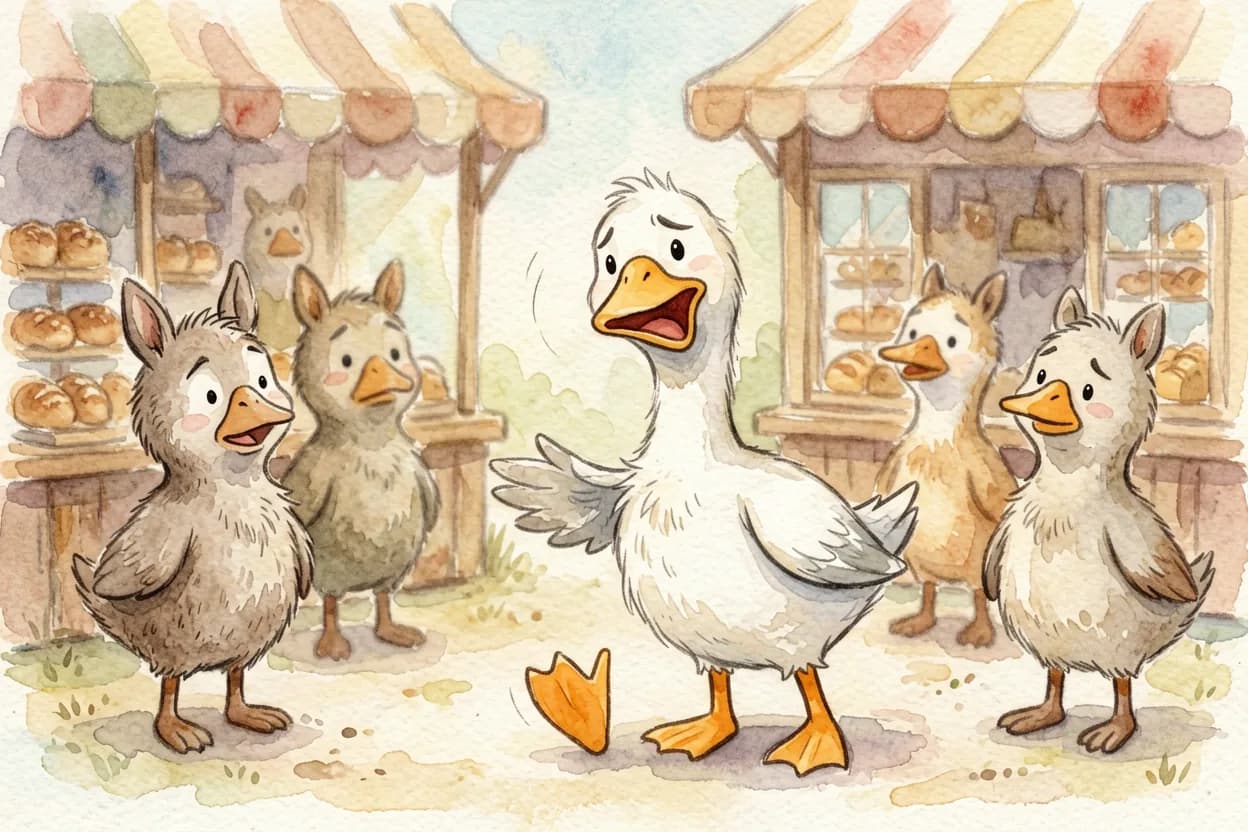
Gilbert the goose was a good sort, really — but he was rather gruff. He never said please. He never said thank you. He just honked out what he wanted. "Bread!" he'd demand at the bakery. "Move!" he'd squawk on the path. And somehow, things never quite went his way.
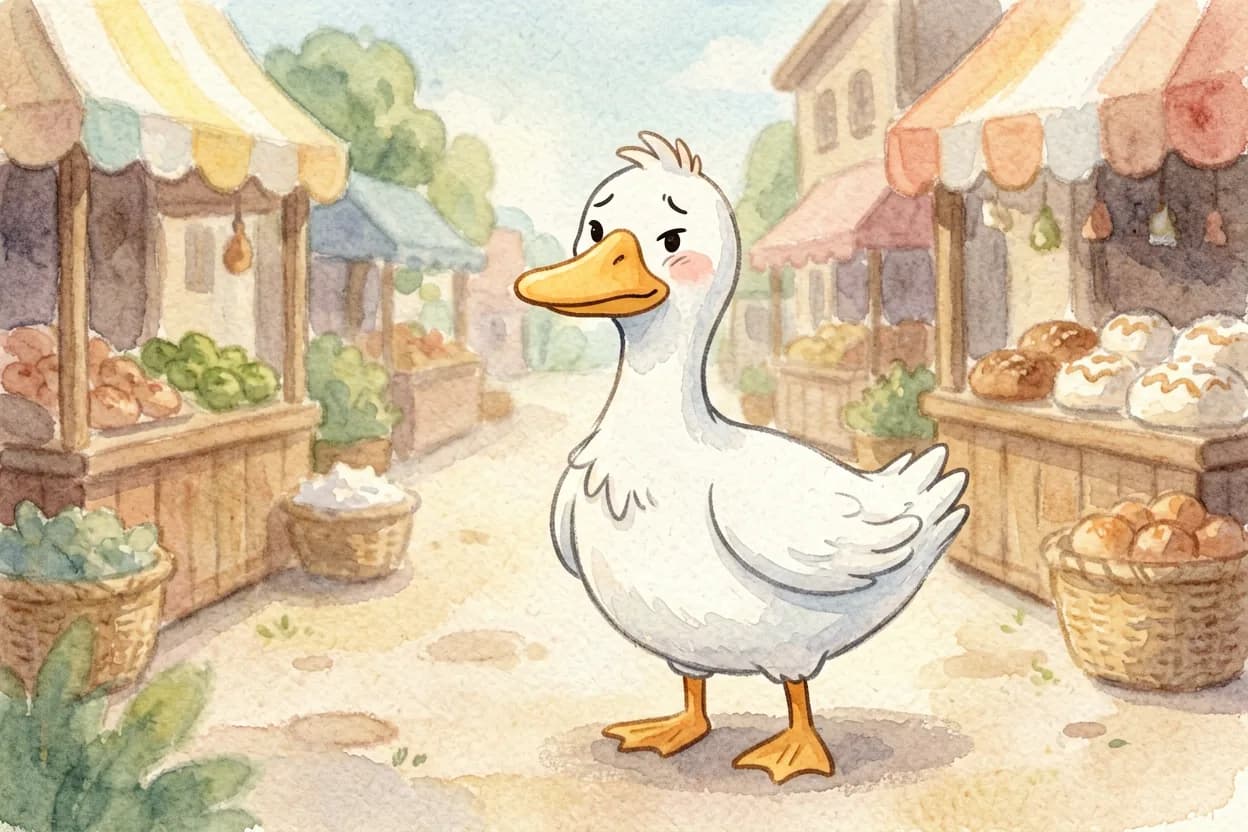
One morning at the market, Gilbert marched up to the baker. "Bun! Now!" he honked. The baker frowned. "I don't think I've got any spare for such a grumpy goose," she said, and turned away. Gilbert huffed off, hungry and cross.
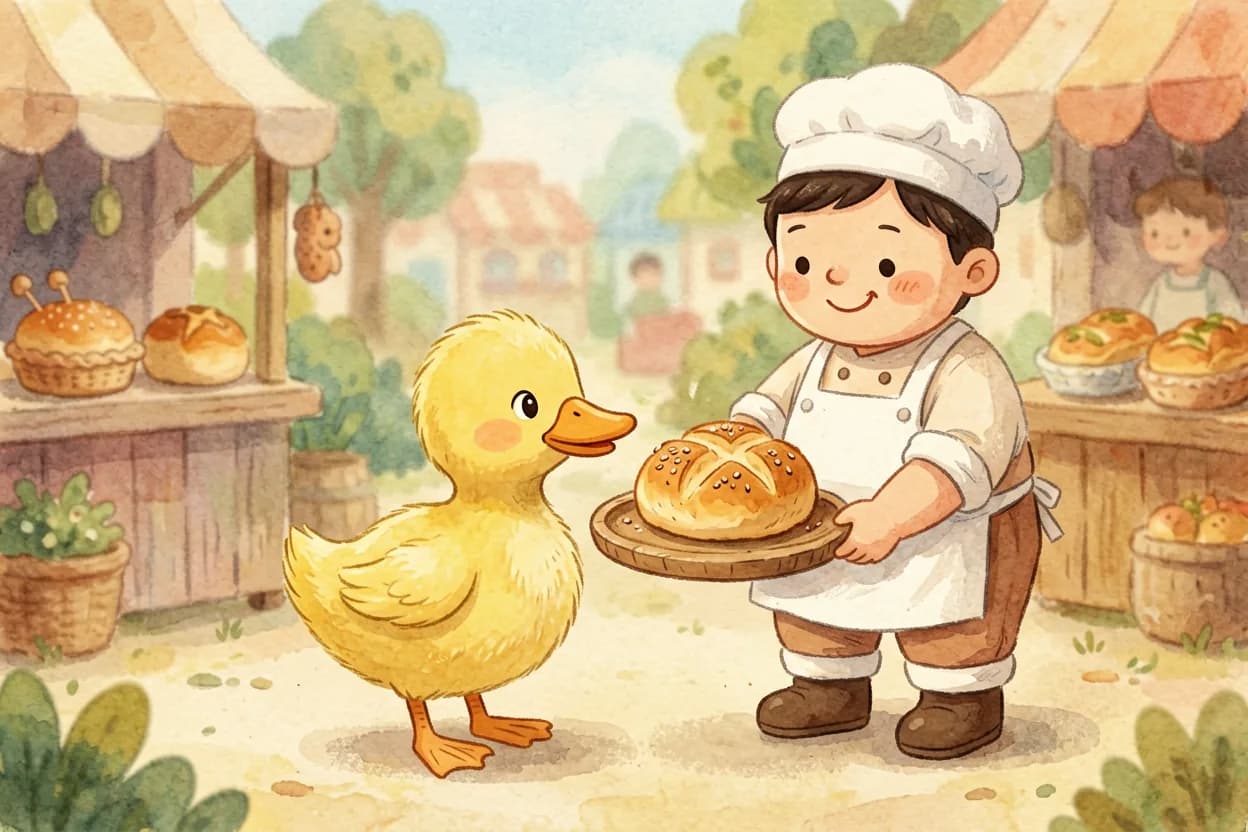
Just then, he watched a little duckling walk up to the very same baker. "Excuse me, please may I have a bun?" said the duckling sweetly. "Of course, dear!" beamed the baker — and she gave the duckling a bun AND a free berry tart. "Thank you so much!" chirped the duckling.
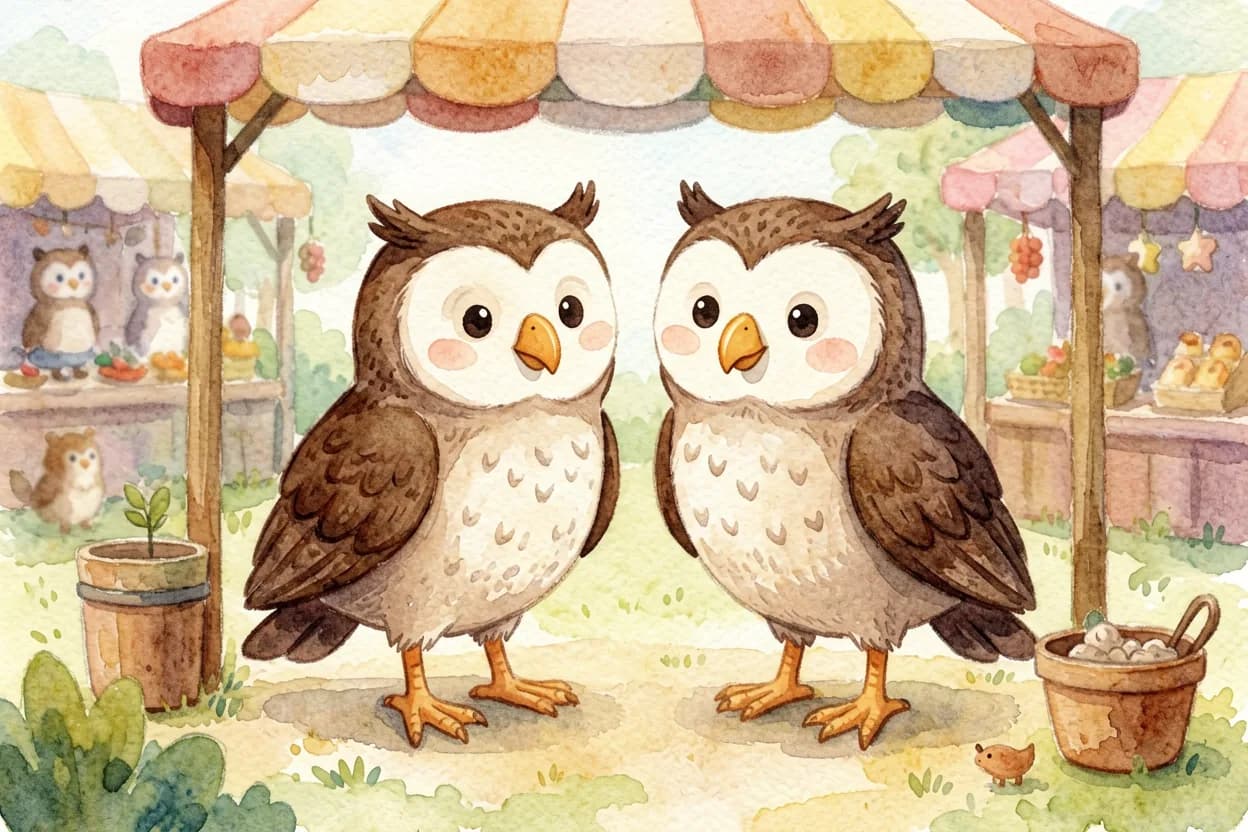
Gilbert blinked. The little words — please, thank you — had worked like magic! His friend, a wise old owl, nodded. "Those aren't just polite words, Gilbert," she said. "They show people you see them and you care. And kindness like that? It always bounces back."
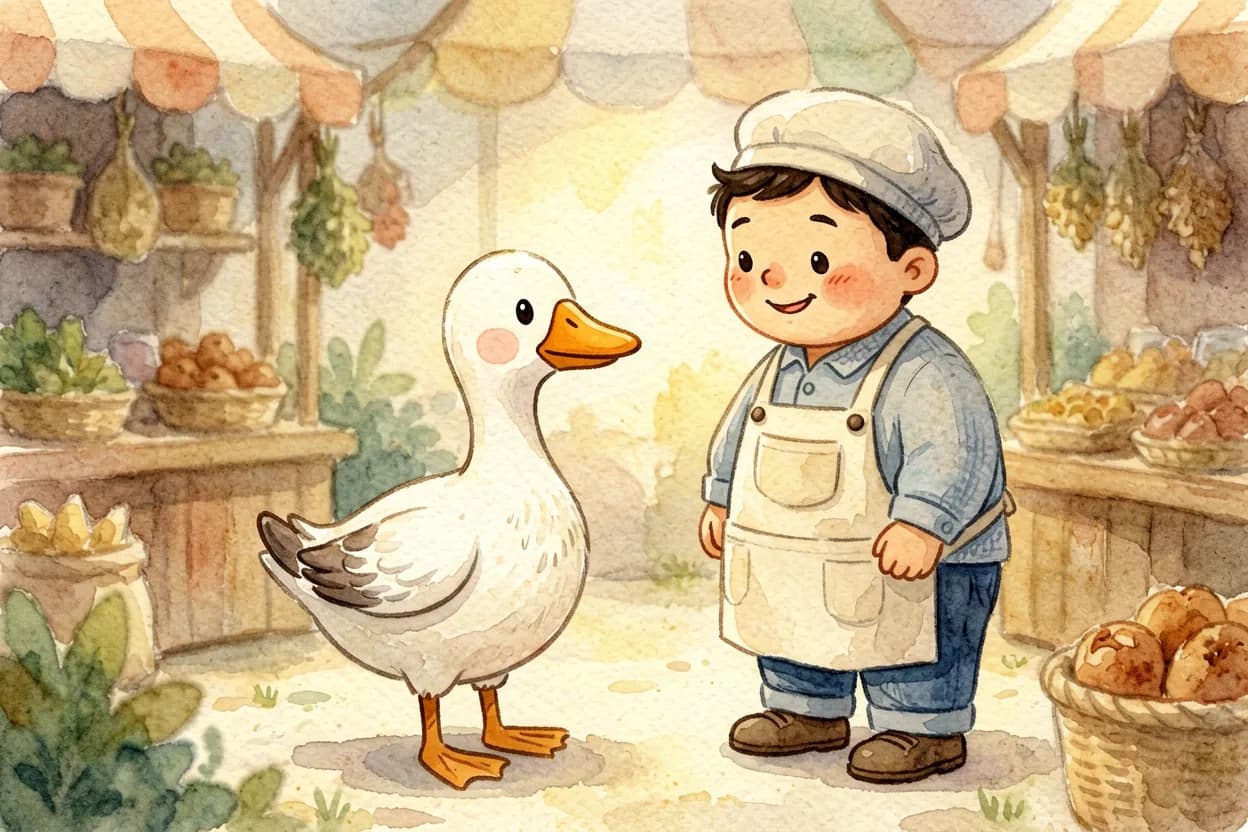
So Gilbert decided to try. He waddled back to the baker, took a breath, and softened his honk. "Excuse me," he said. "Please may I have a bun? I'm sorry I was grumpy before." The baker's face lit up. "Well now! Manners AND an apology! Of course you may."
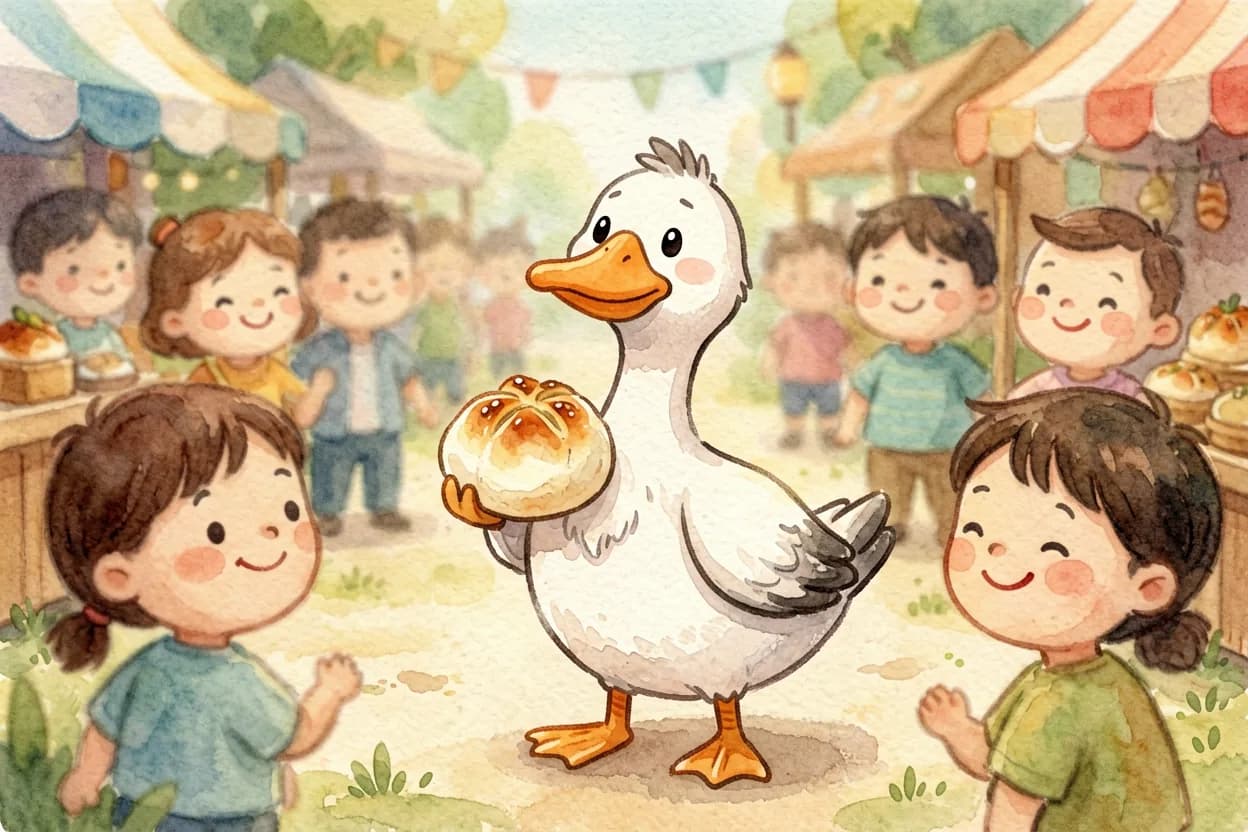
"Thank you very much," said Gilbert, and he really meant it. And do you know — the bun tasted better than any bun ever had. All around him, faces were smiling. The magic words had made everyone's morning brighter, including his own.
From then on, Gilbert used his magic words everywhere he went. And the gruff old goose became one of the best-loved birds in the whole town — all because of two little words, said with a great big heart.
Please and thank you really are magic words — not because they're rules, but because they show people you care, and kindness always bounces back.
Questions to ask after reading
- 1Why did things never go Gilbert's way at the start?
- 2What did the little duckling say that worked like magic?
- 3What did the owl say the magic words really do?
- 4What happened when Gilbert tried using please and thank you?
- 5What are some magic words you can use, and when?
Try it together: growing genuine manners
Manners stick best when they feel kind and worthwhile, not nagged. These activities help.
- Notice the magic working. When please and thank you get a warm response, point it out: 'Did you see how happy that made them?' Seeing manners work makes children want to use them.
- Practise with play. Have a pretend tea party or shop where everyone uses the magic words. Role-play makes polite phrases familiar and fun, not a chore.
- Catch and thank good manners. Notice your child's polite moments warmly: 'You said thank you all by yourself — that was so kind.' Praise grows manners faster than reminders.
- Model, model, model. Say please and thank you to your child and to everyone around you, genuinely. Your everyday politeness is the most powerful teacher there is.
- Explain the why. Talk about how manners show people we care and make them feel good. Children who understand the reason use manners from the heart, not just on command.
How to use the story at each age
Toddlers (2-3)
Model the magic words constantly and gently encourage them, but keep expectations low — a toddler is still learning. A prompted 'ta' or wave is a great start. Focus on modelling; understanding of why comes much later. Keep it warm, never shaming.
Preschoolers (3-5)
Now you can teach please, thank you, excuse me, and waiting, and explain simply that they show kindness. Read Gilbert's story and notice the magic working in real life. Praise polite moments warmly and use play to practise. Gentle reminders are fine; harsh nagging isn't.
Older children (5-7)
Children this age can grasp manners as consideration for others and handle more — table manners, greetings, thank-you notes, phone manners. Talk about why manners matter and how they make others feel, involve them in thank-you cards, and keep modelling genuine politeness yourself.
Common mistakes (and what to do instead)
- Nagging without warmth. Endless 'what's the magic word?' can make manners feel like a hoop, not kindness. Explain the why and model warmly, so politeness comes from the heart.
- Forcing hollow politeness. A demanded, resentful 'thank you' misses the point. Aim for genuine manners by helping children understand and feel why they matter.
- Not modelling it yourself. Children notice if we're brusque with waiters or each other. Being genuinely polite to everyone, including your child, teaches manners best.
- Shaming in public. Embarrassing a child for forgetting manners breeds resentment, not politeness. A quiet, kind reminder works far better.
- Expecting adult manners too soon. A toddler who forgets to say thank you isn't rude — they're learning. Keep expectations age-appropriate and stay patient.
Using the lesson in everyday moments
The story shows manners' magic; daily life is full of chances to use them. Here's where they show up.
- At mealtimes. Please pass the water, thank you for dinner, may I leave the table — meals are daily manners practice, best modelled warmly.
- Out and about. Greeting people, saying thank you to a shopkeeper, holding a door. Point out the smiles these little words earn.
- With friends and family. Sharing, waiting turns, kind words — manners among friends are kindness in action, and prevent a lot of upset.
- Receiving gifts and help. A genuine thank you (or a thank-you card) for a gift or a kindness teaches gratitude and manners together.
A simple checklist to follow
- Read the story together, unhurried, with time for the pictures
- Model please and thank you genuinely, to everyone
- Explain that manners show kindness and make others feel good
- Notice and warmly praise your child's polite moments
- Practise the magic words through play
- Keep expectations age-appropriate and reminders kind
Make the story about your child
A goose named Gilbert is a fun, relatable guide. But children pay closest attention when the one discovering the magic words is someone they know from the inside — themselves.
When your child is the hero who learns that please and thank you open doors and warm hearts, the story stops being about a goose and becomes a picture of the genuine, kind manners you hope to nurture. Their name, their magic words, the smiles they earn — a gentle nudge toward politeness from the heart.
A generic story
A gruff goose discovers that please and thank you work like magic.
Your child's story
Toby discovers that saying please and thank you works like magic and makes everyone's day brighter — with Toby as the hero on every page.
Parents also ask
How do I teach my child good manners?
Make manners feel warm and worthwhile rather than nagged. Model please and thank you genuinely to everyone (including your child), explain simply that manners show kindness and make others feel good, notice and praise polite moments, and practise through play. Children who understand and feel why manners matter use them from the heart, not just on command.
At what age should children learn manners?
You can model the magic words from babyhood and gently encourage them in toddlers, though real understanding comes later. Preschoolers can learn please, thank you, and excuse me and grasp that they show kindness, and by five to seven children can manage more — table manners, greetings, thank-you notes. Keep expectations matched to your child's stage.
Should I force my child to say please and thank you?
Gentle reminders are fine, but forcing a hollow, resentful 'thank you' misses the point of manners. It's more effective to model politeness warmly, explain why manners matter (they show we care), and let your child experience the magic of good manners working. Genuine politeness that comes from understanding lasts far longer than words squeezed out under pressure.
My child has good manners at home but forgets them out in public. Why?
This is very common. New or exciting situations can overwhelm a young child's still-developing self-control and memory, so manners slip. Rather than shaming them in public, offer a quiet, kind reminder, keep practising at home, and praise the moments they remember. Consistency and patience help manners carry over to new settings over time.
Isn't teaching manners just about appearances?
Good manners are far more than surface politeness — at heart, they're kindness made visible, a way of showing others they matter. Teaching manners as genuine consideration for other people's feelings, rather than empty rules, helps children become truly thoughtful, not just outwardly polite. That's why explaining the 'why' matters so much.
How important is modelling manners myself?
Extremely. Children learn manners far more from what we do than what we say. If they see us being genuinely polite to waiters, shopkeepers, each other, and to them, they absorb it naturally. If we nag them to say thank you while being brusque ourselves, the lesson rings hollow. Your everyday courtesy is the most powerful manners teacher there is.
Are personalized stories helpful for teaching manners?
For many children, yes. A story where they are the hero who discovers the magic of please and thank you makes the lesson vivid and personal, and shows manners as warm kindness rather than cold rules. It's a supportive tool alongside modelling politeness and noticing your child's own good manners in everyday life.
More free stories for kids
About the author
Andy — Andy is the founder of Doodara and builds the illustration pipeline behind it — the part that has to keep a child's character looking like the same child on every page of a book. Most of that work is character consistency, content safety for material aimed at young children, and the unglamorous business of making a generated book good enough that a family reads it twice.