Stories About Respect for Kids
A complete original picture book about respect you can read tonight — plus the discussion questions, activities, and age-by-age tips that help your child treat others, and their things, with care.
ByAndyFounder of Doodara
Quick answer
Respect makes sense to a small child when it is framed concretely — asking before taking, hands off other people's bodies and things — rather than as a large abstract word. This page has a complete original picture book, Hank Learns to Ask, free to read tonight, plus discussion questions and age-by-age guidance for ages 3-7. The practical move: after reading, start asking your own child before you take or move their things, since respect is learned almost entirely by being on the receiving end of it.
Respect can feel like a big, grown-up word to teach a small child. But at its heart, it's simple: treating others, their feelings, their bodies, and their belongings with care — and expecting the same in return. When your child barges in, grabs a toy, or shouts over someone, they're not being deliberately rude. They're still learning one of the most important social lessons there is: that other people, and other people's things, matter too.
Young children are naturally the centre of their own world — that's developmentally normal, not selfish. Understanding that others have feelings, space, and possessions that deserve care takes years to develop, growing hand in hand with empathy. A child who snatches or doesn't listen isn't failing; they simply haven't yet learned to pause and consider someone else. That awareness is built gently, over time.
The most powerful way to teach respect is to live it — to treat your child, and everyone around you, with the respect you hope they'll show. When children are respected, and when they learn to ask rather than grab, to listen, and to care for things, respect becomes second nature. Stories help wonderfully: they let a child see what disrespect costs and what respect earns, through a character they love.
Why stories help
Respect is abstract, and a story makes it visible. When a character barges and grabs and sees friends pull away — then learns to ask and listen and sees them come back — your child understands respect through cause and effect, not just a rule.
Children copy characters they love. A big hippo who learns to be gentle and considerate models respect far more convincingly than 'be respectful' repeated at home. The story shows what respect looks and feels like in action.
And a story teaches, gently, that respect goes both ways — that treating others with care is how we earn friendship and care in return. That lesson, felt through a beloved hero, sinks in far deeper than any lecture.
How a story becomes a habit
Hank Learns to Ask
An original picture book about respect — free to read aloud tonight.
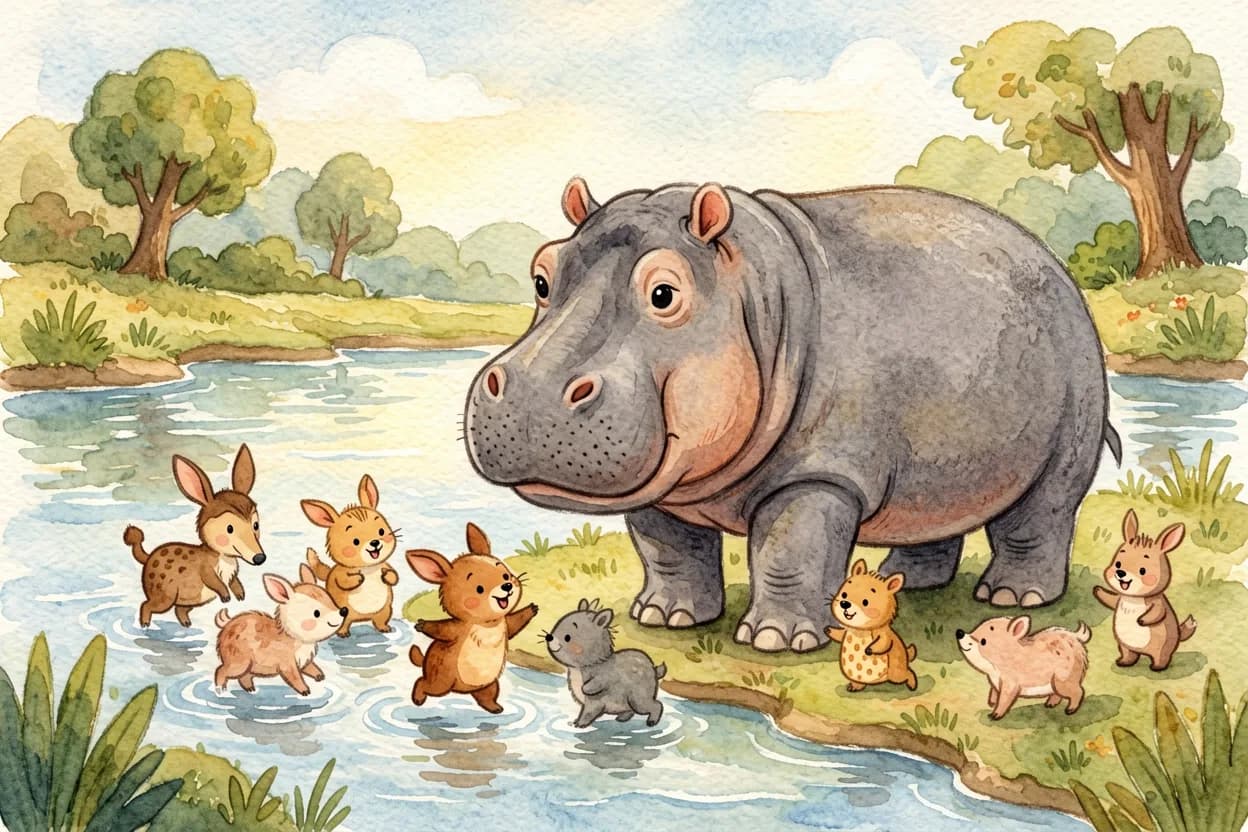
Hank was the biggest animal at the river — a great big friendly hippo with a great big heart. But Hank had a habit. When he wanted to join a game, he'd just barge right in. When he wanted a toy, he'd simply grab it. He never meant to be unkind. He just... didn't think.
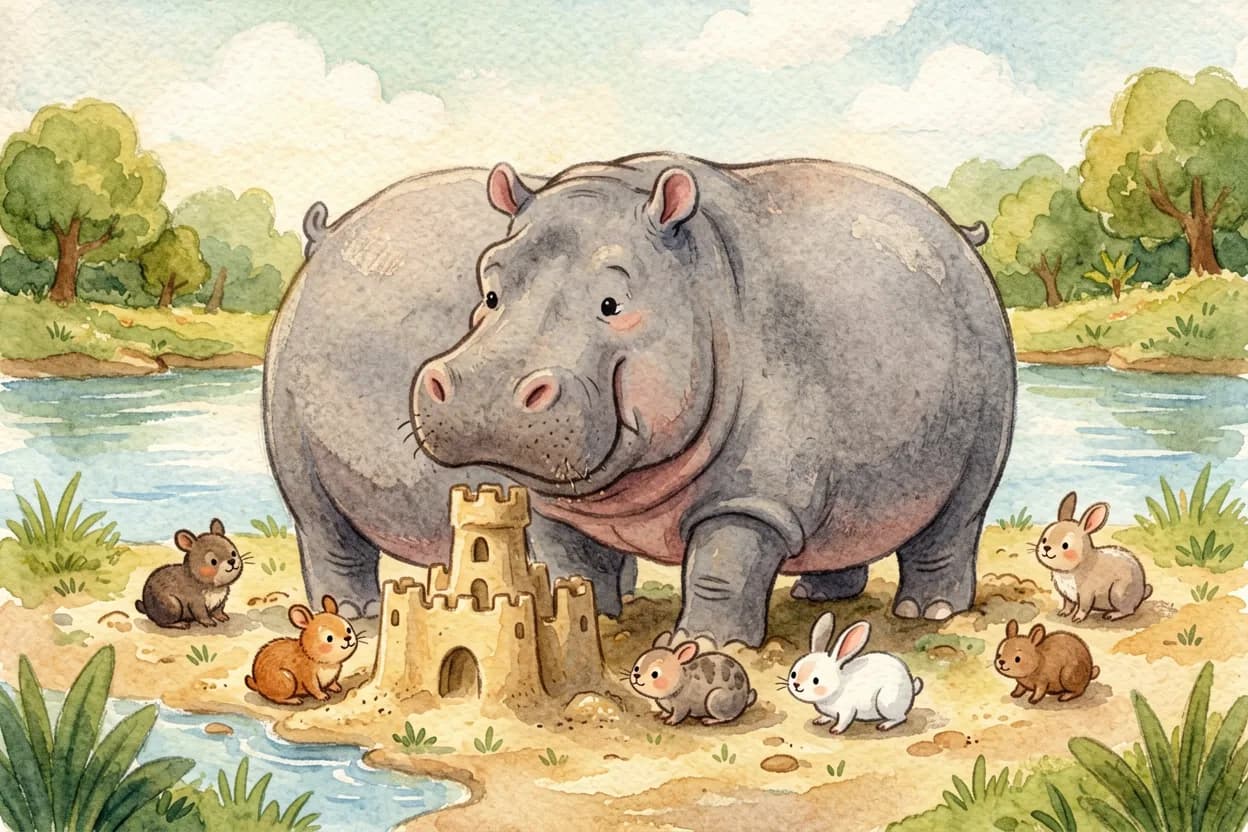
One sunny morning, the little animals were building a splendid sandcastle by the river. "Ooh, I want to help!" boomed Hank, and he stomped right through the middle of it — SPLAT — flattening it flat. "Hank!" cried the others. "You squashed it!"
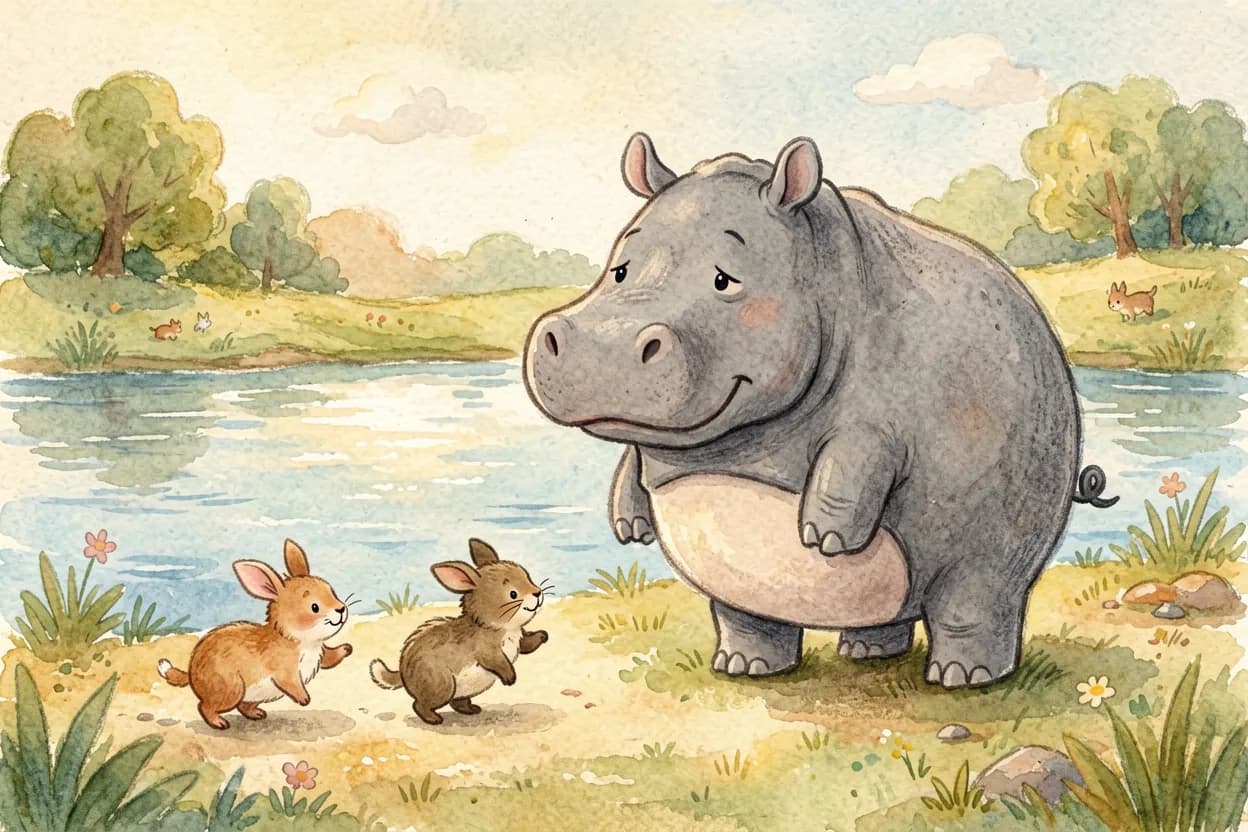
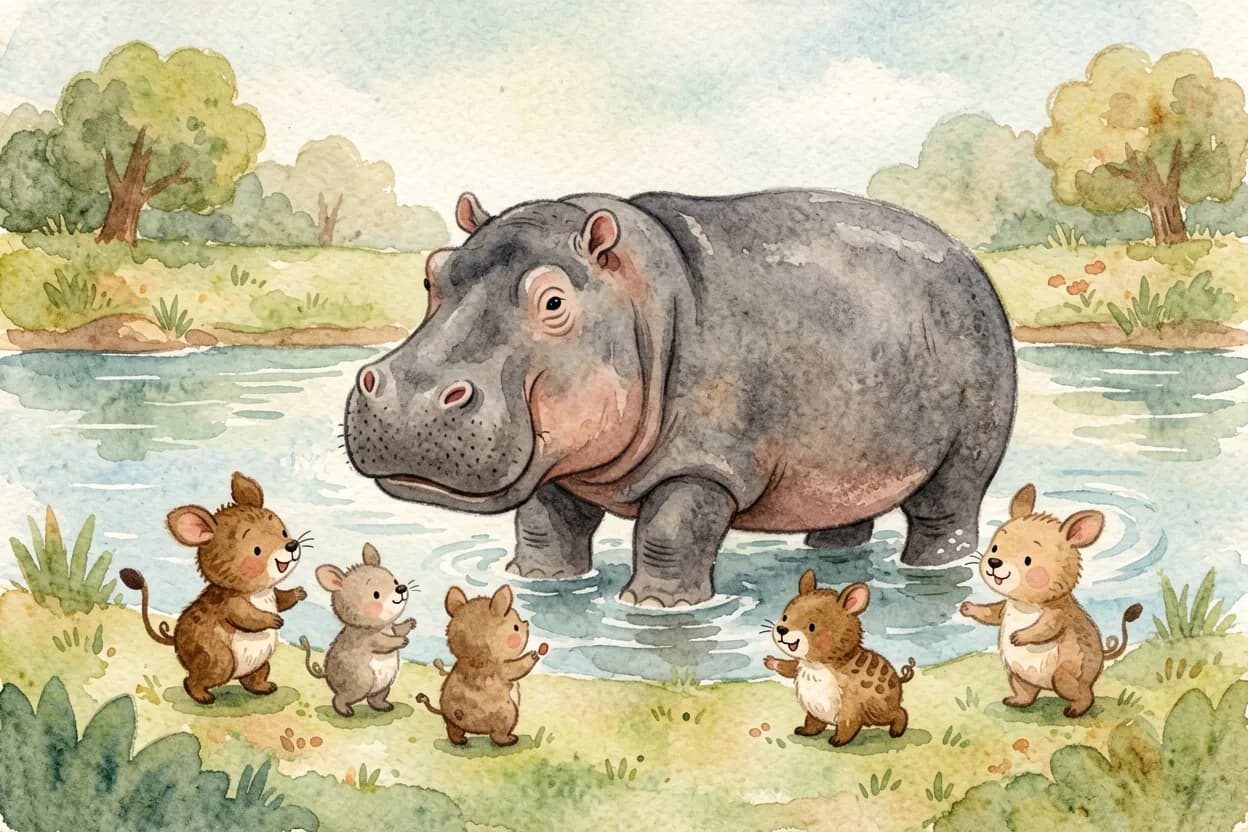
"And you took my bucket without asking," said Mimi the mouse. "And you talked right over me," said Fen the frog. One by one, the little animals gathered their things and moved away to play somewhere else. Hank stood alone by the squashed castle, confused and sad. "Why won't anyone play with me?"
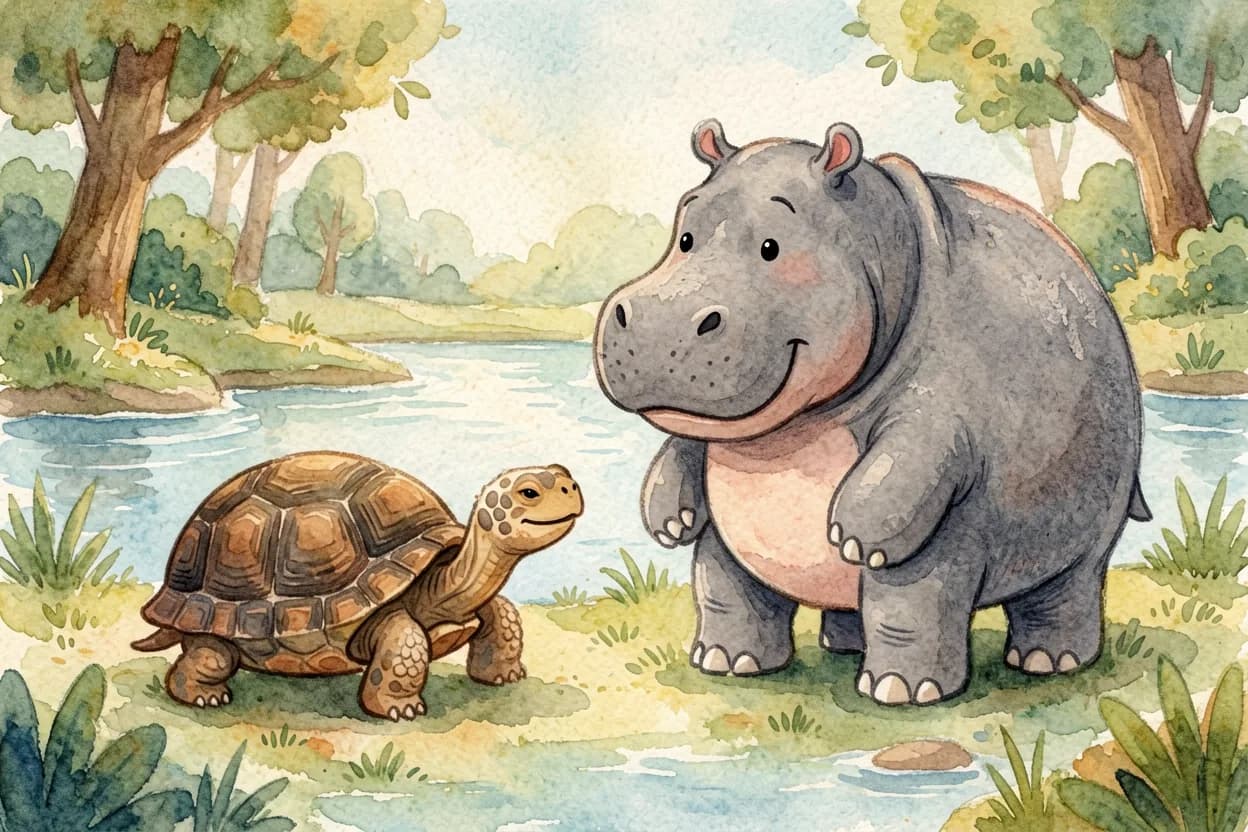
Wise old Tortoise came plodding by. "Hank," she said kindly, "you have a big heart. But you forget to treat others and their things with care. You barge instead of asking. You grab instead of sharing. You talk instead of listening. That's called respect — and it's how we make friends."
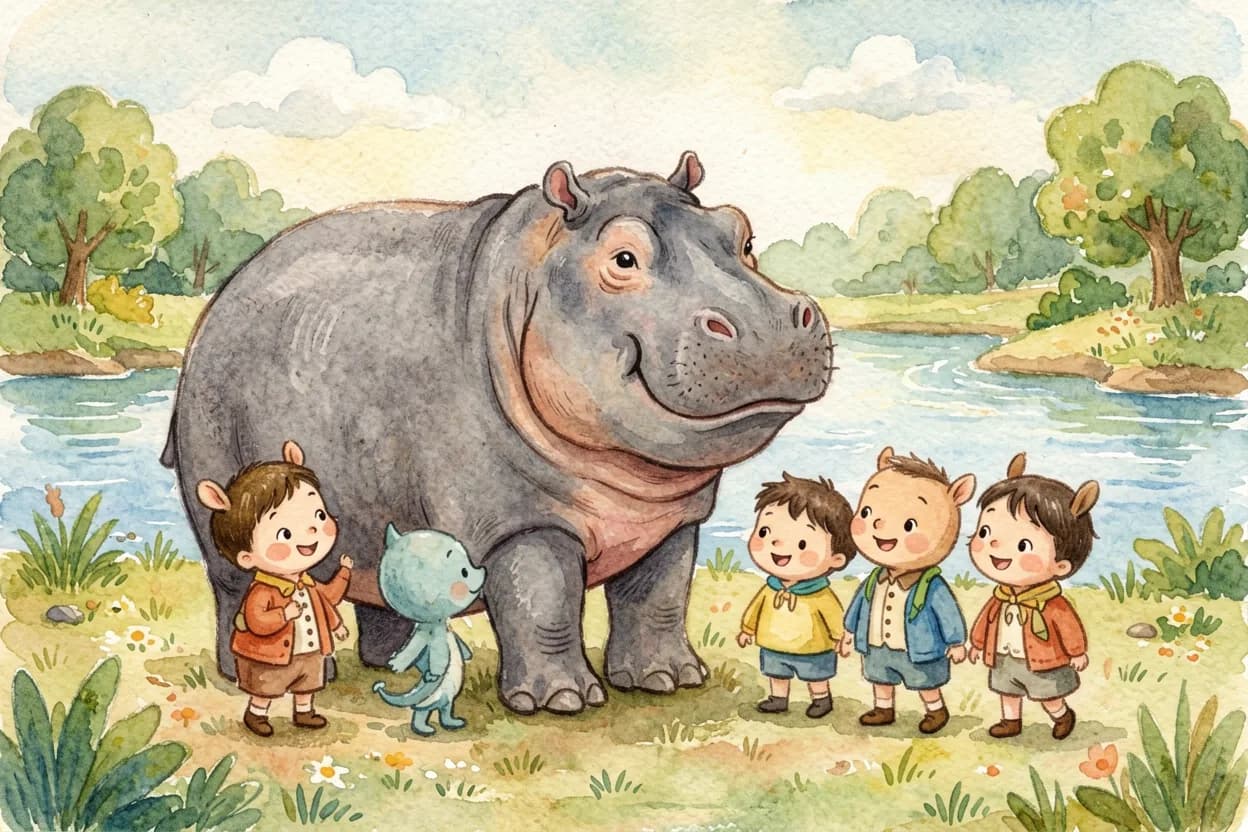
Hank thought hard. He hadn't realised. The next day, he did things differently. "May I please help build?" he asked, gently. "Could I borrow the bucket when you're done?" And when Mimi spoke, Hank stayed quiet and really, truly listened.
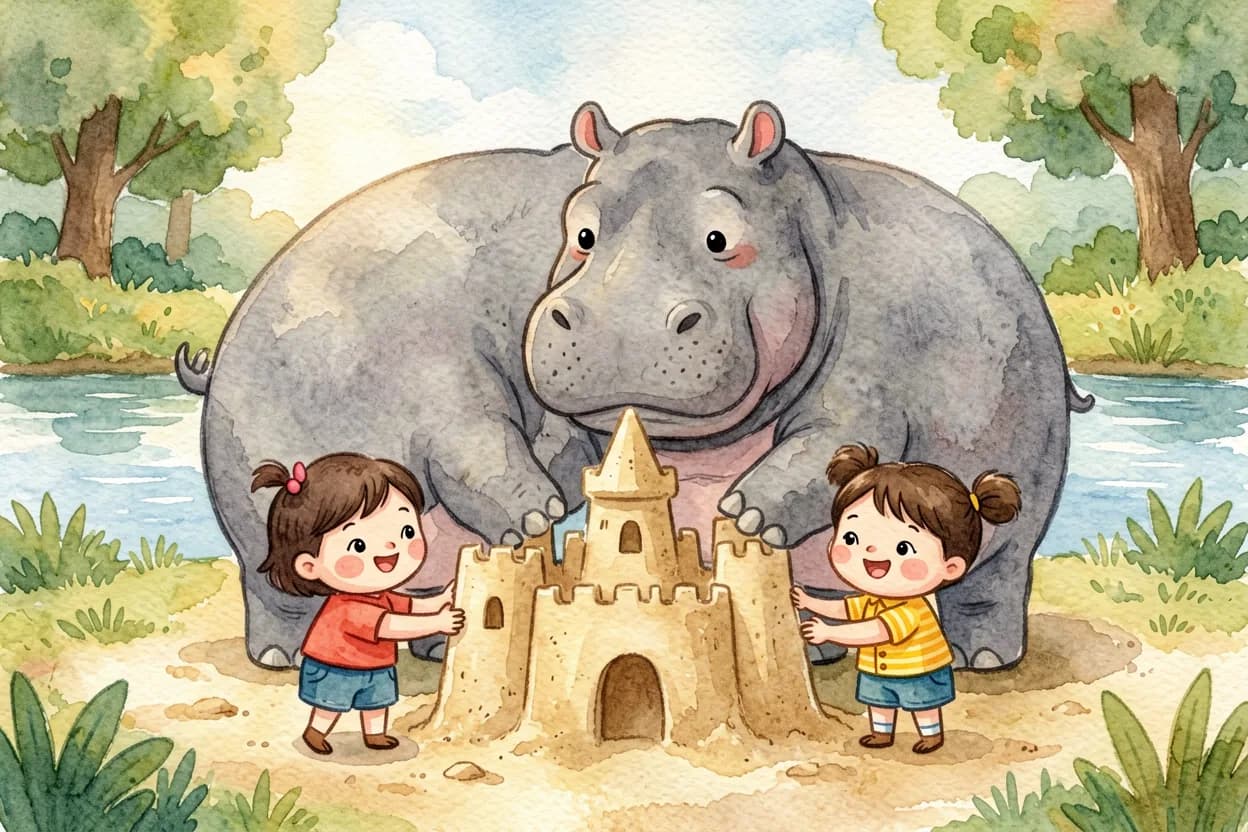
The little animals lit up. "Of course you can help, Hank!" they said. And because Hank was so big and strong — and now so careful — he helped them build the tallest, grandest sandcastle the river had ever seen.
"Asking is so much better than barging," Hank laughed, as everyone cheered their castle. And from then on, the biggest animal at the river was also the most thoughtful — and everyone's favourite friend.
When we treat others, and their things, with care, we earn their friendship and care in return. Respect goes both ways.
Questions to ask after reading
- 1What did Hank do that upset the other animals?
- 2How did the little animals feel when Hank barged and grabbed?
- 3What did Tortoise say respect means?
- 4What did Hank do differently the next day?
- 5How can you show respect to your friends and their things?
Try it together: growing respect
Respect grows through practice and, most of all, through being respected. These activities help.
- Practise asking, not grabbing. Rehearse the polite words: 'May I please have a turn?' and 'Can I join in?' Having the words ready makes asking the natural first move.
- The listening game. Take turns speaking and truly listening without interrupting, perhaps passing a 'talking stone.' Listening is a cornerstone of respect that children can practise.
- Care for belongings. Give your child a job caring for something — tidying toys gently, watering a plant. Treating things with care builds the habit of respect for what's around them.
- Respect body space. Teach and honour 'stop means stop' in play and tickles. Learning that everyone's body is their own is a vital, respectful lesson.
- Notice respect in action. Point it out when you see it — someone asking, sharing, listening, being gentle. Naming respect helps a child recognise and copy it.
How to use the story at each age
Toddlers (2-3)
Keep it simple and modelled. Gently guide asking over grabbing and 'gentle hands,' but don't expect real understanding of others' feelings yet — that's still forming. Treat your toddler with respect (choices, gentle words), because being respected is how they first learn what it feels like.
Preschoolers (3-5)
Now you can name respect and link it to cause and effect (like Hank). Practise asking, turn-taking, listening, and 'stop means stop.' Pause at Hank's lonely moment: 'Why did the animals move away?' Praise respectful moments warmly, and keep modelling it in how you treat them and others.
Older children (5-7)
Children this age can grasp respect more broadly — for feelings, differences, rules, elders, and the environment. Talk about respecting people who are different, respecting 'no', and respecting shared spaces. Involve them in setting family expectations, and keep modelling respectful disagreement and repair.
Common mistakes (and what to do instead)
- Demanding respect while not giving it. 'Respect me!' delivered with a shout teaches the opposite. Children learn respect by being respected — model the tone and care you want back.
- Forcing affection or 'stop means stop' exceptions. Making a child hug or tickle when they've said no undermines body respect. Honour their 'no' so they learn to honour others'.
- Confusing respect with obedience. Respect isn't blind compliance. Teaching children to consider others' feelings and speak up kindly builds real respect, not just fear.
- Ignoring disrespect between siblings. Letting grabbing and talking-over slide at home normalises it. Gently coach asking, listening, and care in everyday sibling moments.
- Modelling disrespect. Children hear how we speak to waiters, partners, and them. Everyday courtesy and care are the most powerful respect lesson of all.
Using the lesson in everyday moments
The story shows respect's cause and effect; daily life is where it's practised. Here's where it shows up.
- In play with others. Asking to join, taking turns, and not grabbing are respect in action. Coach the words and cheer the moments your child gets it right.
- At home with family. Listening without interrupting, gentle words, caring for shared things — home is where respect is first learned and practised daily.
- With bodies and boundaries. Honouring 'stop', asking before hugging, and respecting personal space teach that everyone's body is their own.
- Toward things and places. Caring for toys, books, and shared spaces — putting things away gently, not scribbling on walls — is respect for the world around them.
A simple checklist to follow
- Read the story together, unhurried, with time for the pictures
- Practise asking to join and to borrow, instead of barging or grabbing
- Play listening games and honour 'stop means stop'
- Give your child a job caring for belongings
- Notice and name respect when you see it
- Model the respect you hope to receive
Make the story about your child
A hippo named Hank is a warm, relatable guide. But children pay closest attention when the one learning respect is someone they know from the inside — themselves.
When your child is the hero who barges and grabs, sees friends pull away, and learns to ask and listen and care, the story stops being about a hippo and becomes a picture of the thoughtfulness you hope to nurture. Their name, their friends, their kinder choices — a gentle mirror to carry into real life.
A generic story
A big hippo learns to ask and listen instead of barging and grabbing, and makes friends.
Your child's story
Sam learns to ask before joining a game and to listen to his friends instead of grabbing — and becomes everyone's favourite friend, with Sam as the hero on every page.
Parents also ask
How do I teach my young child respect?
Above all, model it — treat your child and everyone around you with the respect you hope they'll show. Practise asking rather than grabbing, listening without interrupting, and 'stop means stop.' Name respect when you see it, give your child care of belongings, and use stories to show how respect earns friendship. Children learn respect largely by experiencing it.
Isn't my child too young to understand respect?
Young children can't yet fully grasp that others have feelings and space of their own — that awareness grows over years alongside empathy. But you can lay the foundations early through simple, modelled habits: gentle hands, asking, taking turns, and honouring 'no.' Understanding deepens as they grow, built on these everyday experiences.
What's the difference between respect and obedience?
Respect isn't the same as blind obedience. Demanding a child do exactly as told out of fear teaches compliance, not respect. Real respect is treating others, their feelings, and their things with care — and it's mutual. Teaching children to consider others and speak up kindly builds genuine respect that lasts.
Should I make my child hug relatives or say sorry on demand?
Forcing physical affection can undermine the important lesson that a child's body is their own and 'no' matters — which is itself a form of respect. Offer alternatives (a wave, a high-five) and let affection be genuine. Similarly, help a child understand why sorry matters rather than forcing empty words; real respect grows from understanding, not compulsion.
How can I get my child to respect me?
The most effective route is to model respect toward them — a calm tone, honouring their feelings, giving choices where you can — because children learn respect by being respected. Shouting 'respect me!' teaches the opposite. Consistent, respectful limits (firm and kind) earn far more genuine respect than fear does.
My children are disrespectful to each other. What can I do?
Don't let grabbing, talking-over, and unkind words slide at home, as this normalises them. Gently coach the respectful alternative in the moment — asking, listening, gentle words — and notice and praise respectful sibling moments. Home is where respect is first learned, so everyday coaching there carries over everywhere.
Are personalized stories helpful for teaching respect?
For many children, yes. A story where they are the hero who learns to treat others with care makes the lesson vivid and personal, and shows respect's cause and effect through their own eyes. It's a supportive tool alongside modelling respect and coaching respectful habits in everyday life.
More free stories for kids
About the author
Andy — Andy is the founder of Doodara and builds the illustration pipeline behind it — the part that has to keep a child's character looking like the same child on every page of a book. Most of that work is character consistency, content safety for material aimed at young children, and the unglamorous business of making a generated book good enough that a family reads it twice.