
Moving House Stories for Kids
A complete original picture book about moving to a new home you can read together — plus the practical tips that ease the worry and help your child feel excited about a fresh start.
ByAndyFounder of Doodara
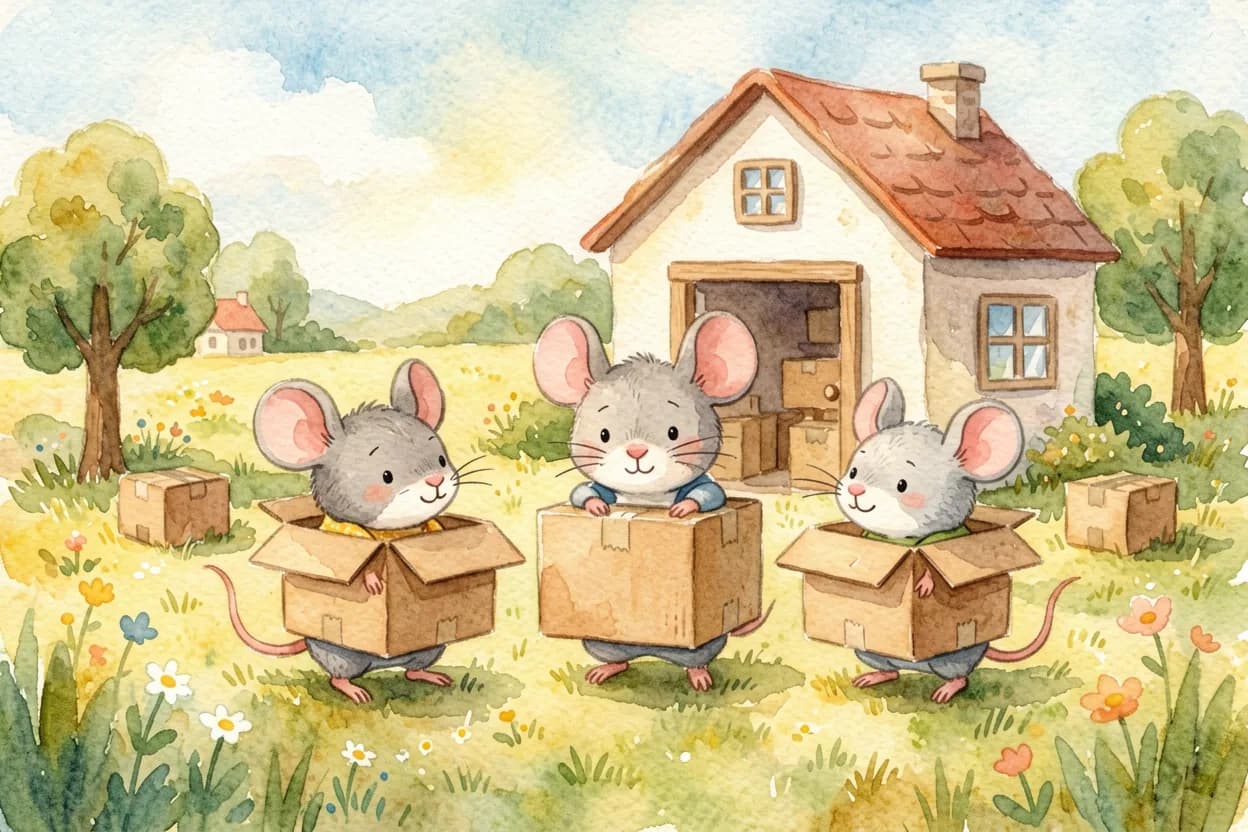
Quick answer
Before a move, the books that help are the ones that admit the loss — the old bedroom, the old park — before showing the new home, because a child who feels sad about leaving needs that acknowledged first. This page has a complete original picture book, Fig's New Home, free to read tonight, plus discussion questions and age-by-age guidance for ages 3-7. The practical move: read it while packing, and let your child choose one box that travels with them rather than in the van.
Moving house is one of the biggest upheavals a family can go through — and for a young child, it can feel like the ground itself is shifting. The bedroom they've always known, the familiar route to the park, the little marks on the wall where they've grown — all of it is changing at once. If your child becomes clingy, tearful, or unsettled around a move, they're not being difficult. They're grieving the only home they've ever known.
Children thrive on the familiar, so it makes sense that a move can shake them. They may worry about leaving friends, losing their special things, or whether the new place will ever feel like home. Some show it through big feelings or behaviour that slips backwards. All of this is a normal response to a genuinely big change — and it eases as the new home becomes familiar and safe.
What helps most is helping your child feel some control and continuity through the change: knowing what's happening, keeping their treasured things and routines, and understanding that the important stuff — their family, their memories, their favourite bear — comes with them. Talking about it and sharing a story where a character moves and finds their new home becomes lovely, too, all turn dread into a hopeful fresh start.
Why stories help
A move is abstract and overwhelming for a child, and a story makes it concrete: the boxes, the new rooms, the first night, the discovery that the new home has good things too. Knowing the shape of what's coming shrinks the worry.
When a character feels sad to leave and then finds happiness in a new home, your child gets permission to feel both things — the loss and the hope — and a map for how the story turns out okay.
And a story gently reassures on what children fear most: that moving doesn't mean losing what matters. Their family, their memories, and their favourite things travel with them — a message far easier to absorb from a beloved character than from 'you'll be fine.'
How a story becomes a habit
Fig's New Home
An original picture book about moving house — free to read aloud together.
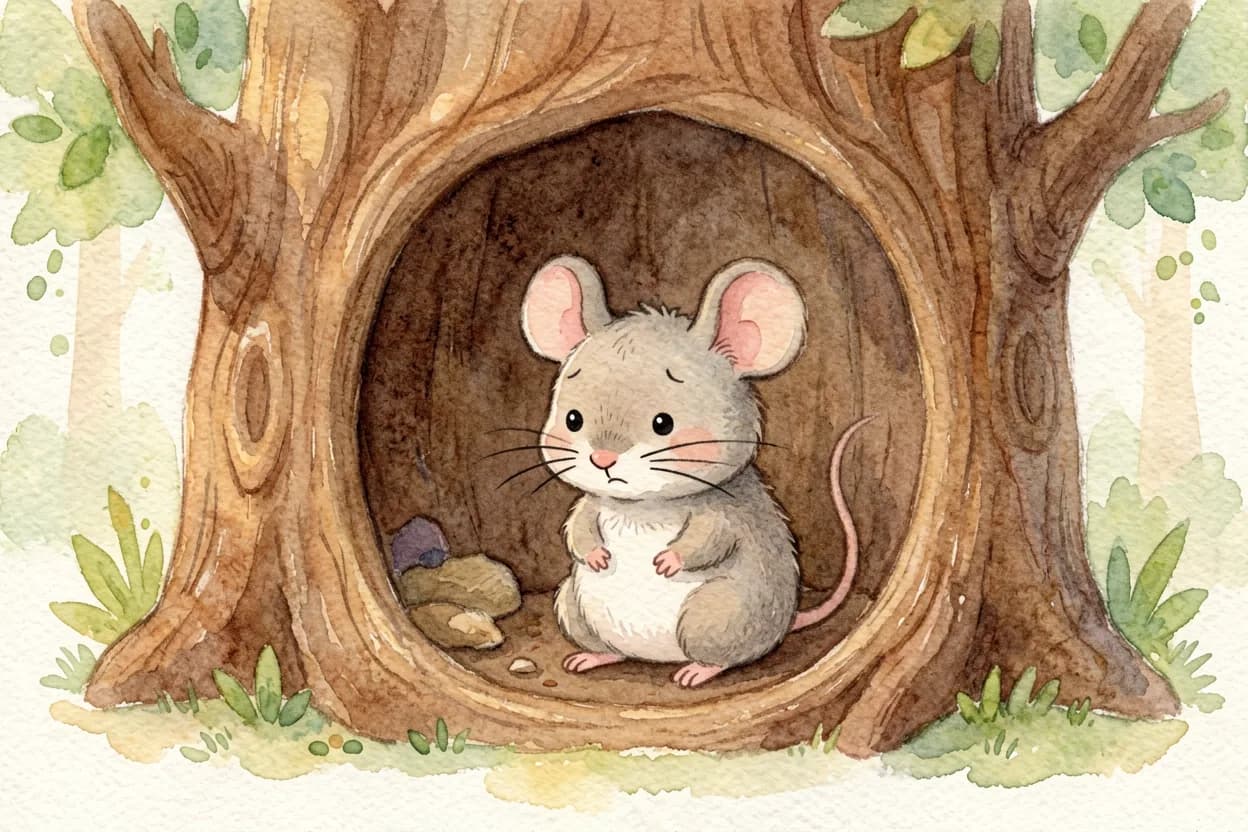
Fig the little mouse loved his home in the old oak tree. He knew every knot and cranny, every creak of the stairs. So when Mama said, "We're moving to a new home," Fig's whiskers drooped. "But I don't WANT a new home," he said. "I love THIS one."
"I know, my love," said Mama softly. "It's hard to leave a place you love. But our new home has a garden, and a window that catches the morning sun. And guess what — everything that matters is coming with us."
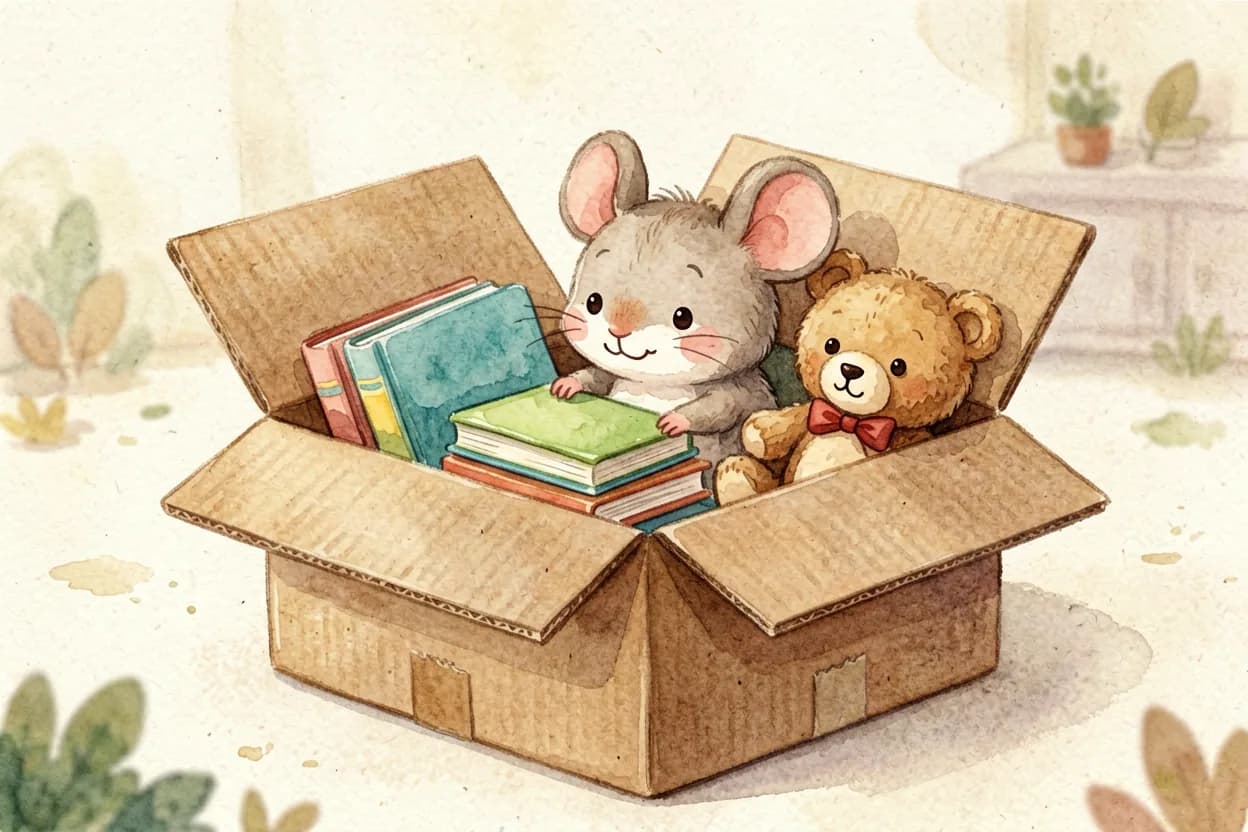
The day came to pack. Into boxes went Fig's books, his blankets, his little cup — and, most important of all, his one-eared bear, Button. "You're coming too," Fig whispered to Button, holding him tight.
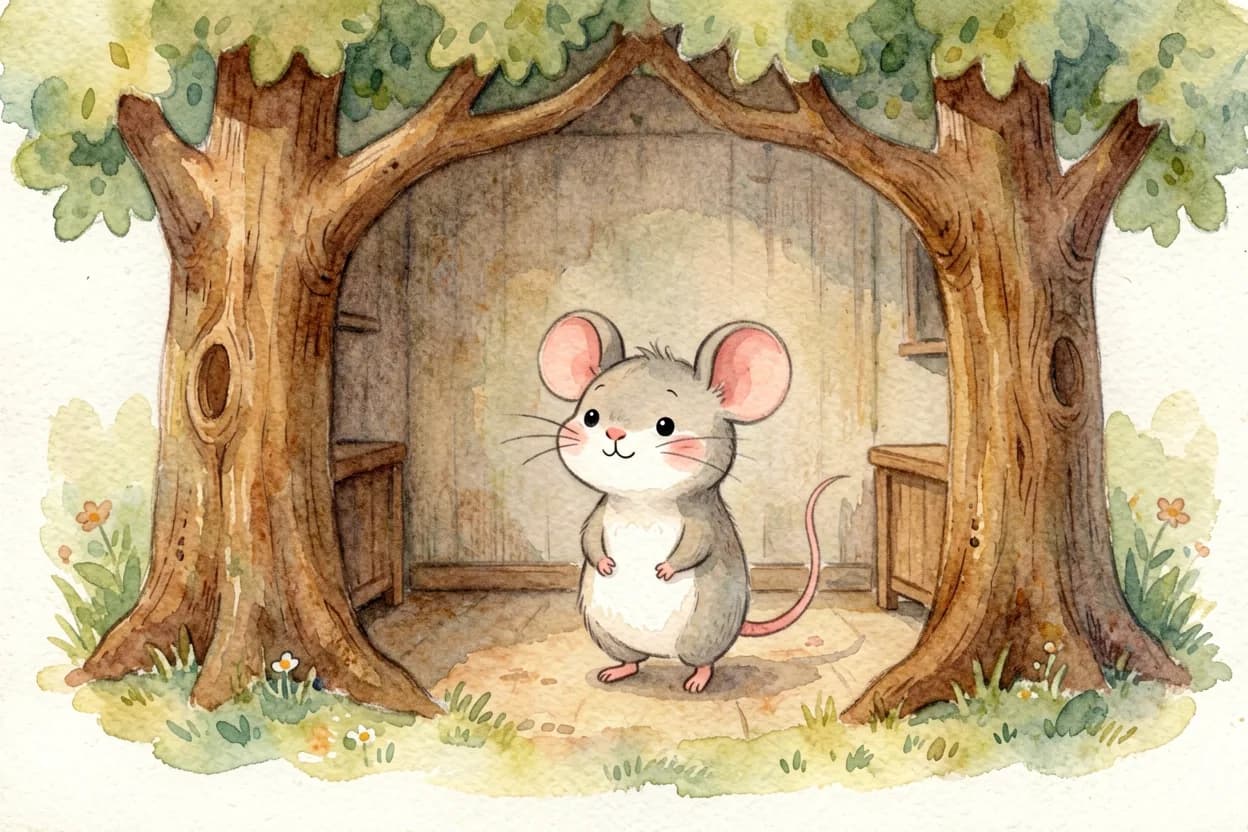
Fig took one last look at his empty old room. It looked so strange and bare. He felt a big lump in his throat. "Goodbye, old room," he said quietly. "Goodbye, oak tree."
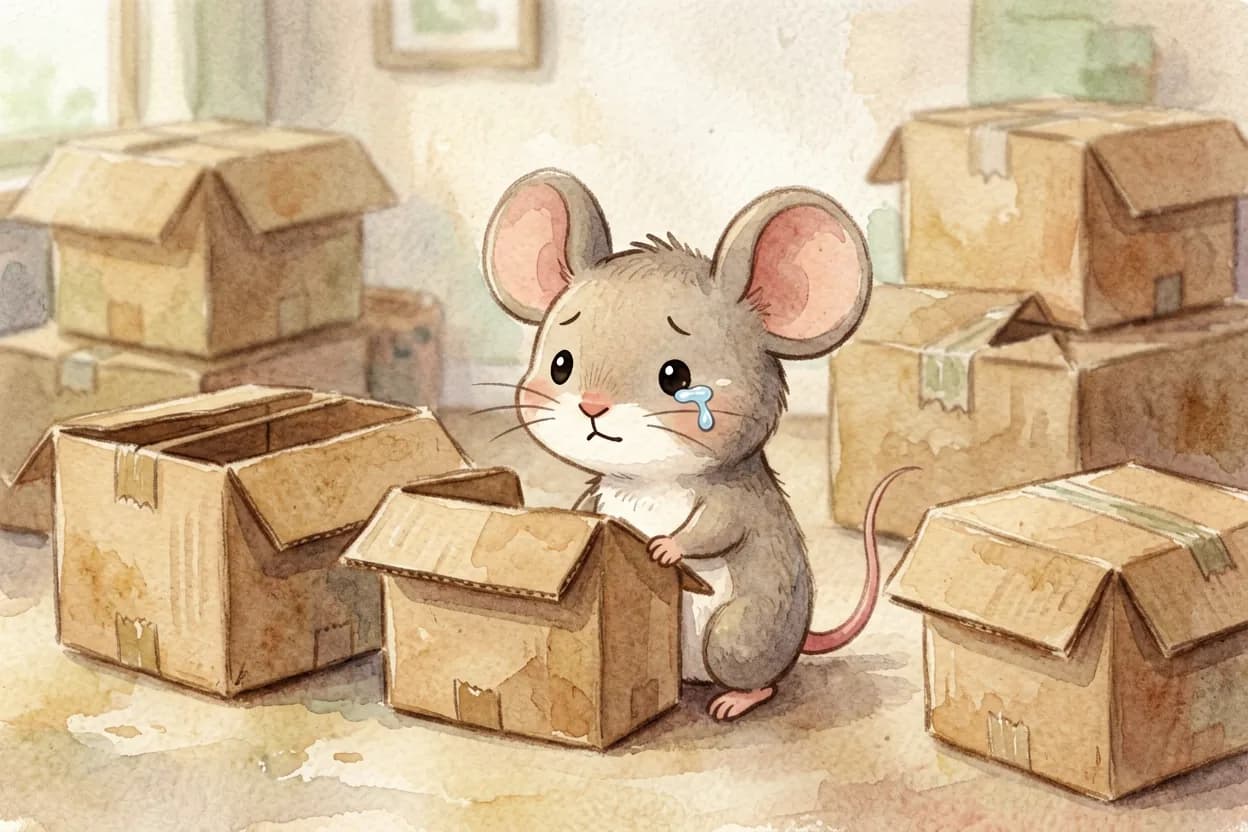
The new home was in a sunny meadow. At first, it felt strange — different smells, different sounds, boxes everywhere. Fig didn't like it. "It doesn't feel like home," he said, and a tear slid down.
But Mama helped him set up his new room first of all. They unpacked his books, spread his blankets, and set Button on the windowsill. Little by little, it began to feel a bit more... his.
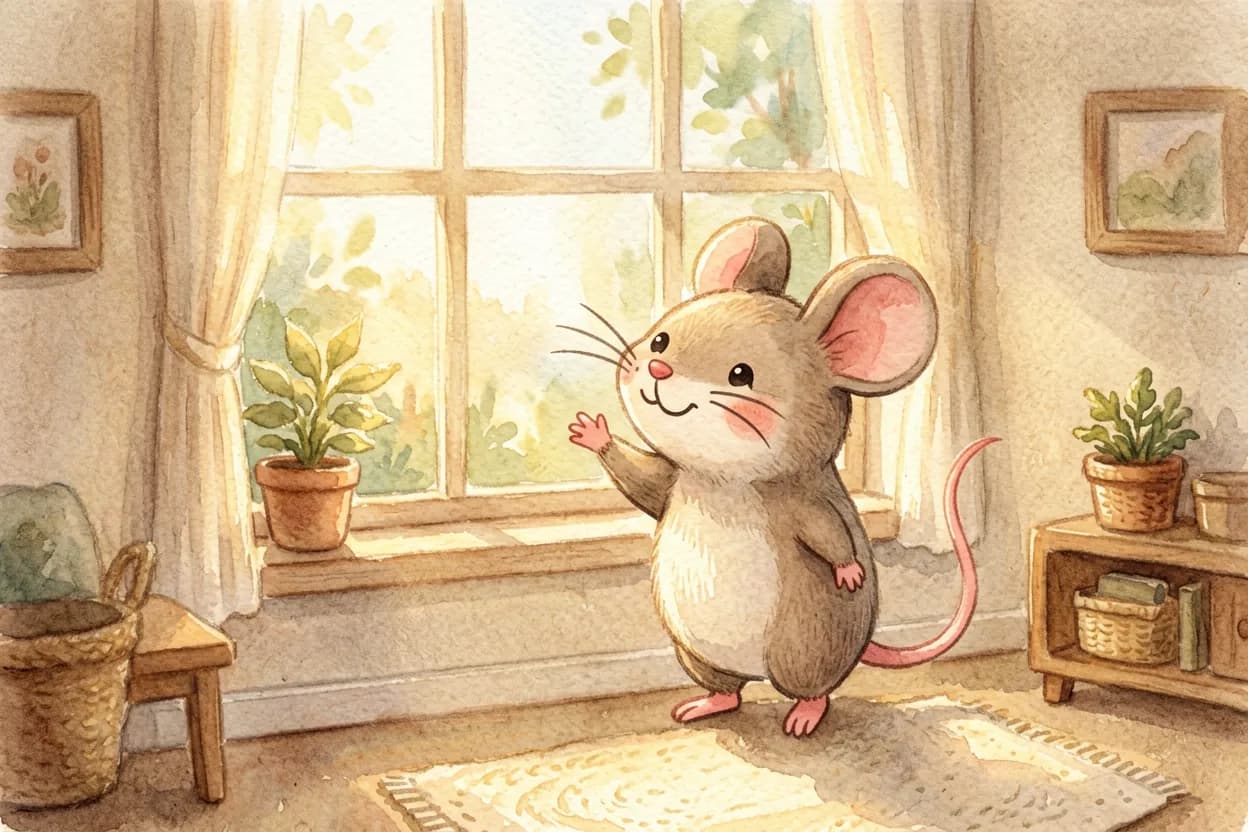
The next morning, sunshine poured through Fig's window — just like Mama said. And outside, a little mouse from next door waved. "Hello! Do you want to see the best climbing tree in the whole meadow?" Fig's ears perked right up.
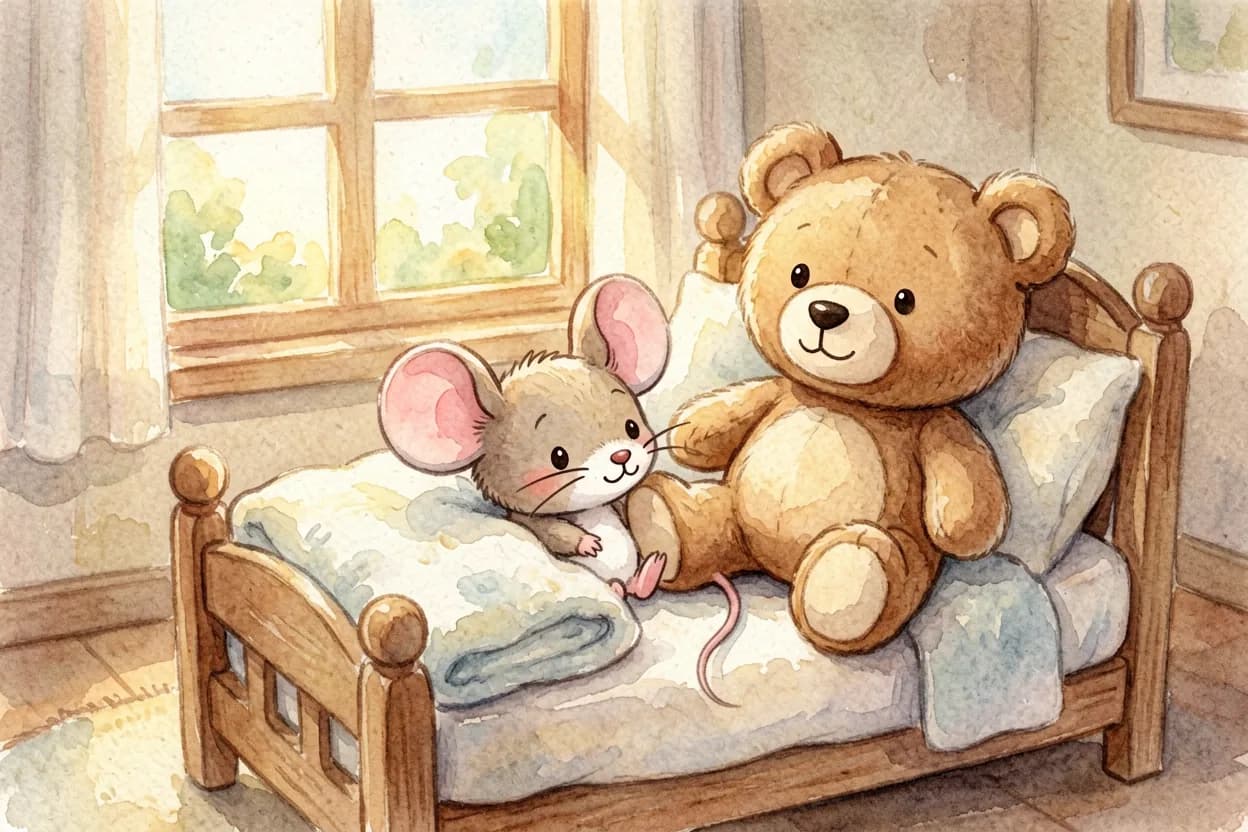
That night, snuggled in his own blankets with Button beside him, in his new room with the sunny window, Fig realised something. The oak tree was gone — but his family was here, and his memories, and his bear. "You know what?" he said sleepily. "This feels like home after all."
A home isn't just a place. It's the people you love and the memories you carry — and those come with you wherever you go.
Questions to ask after reading
- 1Why didn't Fig want to move at first?
- 2What did Mama say would come with them to the new home?
- 3How did Fig feel saying goodbye to his old room?
- 4What helped the new home start to feel like Fig's own?
- 5If you moved, what special things would you want to bring with you?
Try it together: easing a house move
Feeling some control and continuity is what helps a child through a move. These activities carry the familiar into the new.
- Pack a special box together. Let your child pack their own box of treasures — favourite toys, blankets, their bear. Knowing their special things are safe and coming too eases a big worry.
- Set up their room first. On moving day, unpack your child's room before anything else, keeping familiar things in familiar places. A cosy, ready room is an anchor in the chaos.
- Say a proper goodbye. Take photos of the old home, wave goodbye to each room, or draw a picture of it. Honouring the goodbye helps a child let go and keep the memory.
- Explore the new home and area. Hunt for the good things — the garden, the sunny window, the nearest park. Turning discovery into an adventure builds excitement about the fresh start.
- Read the story before and after. Share Fig's story in the run-up and again once you've moved. Talk about how he felt sad and then found the new home lovely too.
How to use the story at each age
Toddlers (2-3)
Keep explanations simple and close to the time, and above all keep routines and comfort objects constant — familiar bedtimes, blankets, and rituals are their anchor. Expect some regression (clinginess, sleep wobbles) as a normal reaction, and respond with extra closeness rather than pressure.
Preschoolers (3-5)
Now you can prepare them with honest, positive talk and a story. Involve them in packing their own box and setting up their room. Reassure them their special things and family come too, and let them ask questions. Point out the good things about the new home to build excitement.
Older children (5-7)
Bigger children may grieve friends and their old life more consciously. Take those feelings seriously, help them stay in touch with old friends, and involve them in decisions (their room, the new area). Balancing honest acknowledgement of the loss with hope for the fresh start matters most.
Common mistakes (and what to do instead)
- Not telling children until the last minute. Springing a move late leaves no time to process. Tell your child in good time, in simple terms, so they can adjust and ask questions.
- Dismissing their sadness. 'It's just a house, you'll love the new one' skips over real grief. Acknowledge it — 'it's hard to leave, isn't it?' — before pointing to the hopeful side.
- Packing their room last. Leaving your child's familiar space in boxes for days adds to the unsettled feeling. Set up their room first so they have an anchor from night one.
- Letting your own stress spill over. Moves are stressful for adults, and children absorb it. Protect calm, connected moments for your child amid the chaos.
- Stacking other big changes. Starting a new school the same week as the move overloads a child. Where possible, space major transitions out.
Making it work in everyday life
The story prepares the heart; the way you handle the move carries your child through. Here's where it shows up.
- In the run-up. Talk about the move as a normal, hopeful topic, involve your child in small decisions, and keep routines steady while the boxes pile up.
- On moving day. Consider a familiar carer for the busiest hours, keep a bag of comforts and snacks handy, and unpack their room first once you arrive.
- The first nights. Hold bedtime routines tightly — same story, same blanket, same goodnight. Familiar rituals make a strange room feel safe.
- Settling in. Explore the new area together, meet neighbours, and keep old friendships alive with visits or calls. New roots grow while old ones are honoured.
A simple checklist to follow
- Tell your child about the move in good time, simply and honestly
- Let them pack a special box of their own treasures
- Say a proper goodbye to the old home together
- Set up your child's room first in the new place
- Hold bedtime and daily routines steady through the change
- Explore the good things about the new home and area together
Make the story about your child
A mouse named Fig is a tender guide. But children pay closest attention when the one facing the move is someone they know from the inside — themselves.
When your child is the hero who feels sad to leave, packs their own special box, and discovers the new home feels like home after all, the story stops being about a mouse and becomes a picture of their own move turning out well. Their name, their treasures, their cosy new room — exactly the reassurance they need through the change.
A generic story
A little mouse is sad to leave his old home but discovers his new one feels like home too.
Your child's story
Noor is sad to leave her old house but packs her special things, sets up her new room, and discovers it feels like home — with Noor as the hero on every page.
Parents also ask
How does moving house affect young children?
Moving can unsettle young children because they thrive on the familiar. Common reactions include clinginess, tearfulness, sleep wobbles, or behaviour slipping backwards — essentially a form of grief for the home and routines they know. It's a normal response to a big change and eases as the new home becomes familiar and safe.
How do I prepare my child for a move?
Tell them in good time and in simple terms, and keep the topic positive but honest. Involve them in packing a special box of their own, reassure them their treasured things and family come too, read a story about moving, and point out the good things about the new home. Keeping routines and comfort objects constant is key.
My child is really sad about leaving. What should I say?
Acknowledge the sadness rather than brushing it off: 'It's hard to leave a place you love, isn't it?' Let them say a proper goodbye — photos, a last wave around each room — before you gently point to the hopeful side. Feeling their loss is heard makes it easier for them to embrace the new.
What can I do on moving day to help my child?
Consider having a familiar carer look after them during the busiest, most chaotic hours, keep a bag of comforts and snacks close, and — importantly — unpack and set up their bedroom first when you arrive. A cosy, familiar room from the very first night is a powerful anchor.
How can I help my child settle into a new home?
Keep bedtime and daily routines steady, explore the good things about the new home and neighbourhood together as an adventure, meet the neighbours, and help them stay in touch with old friends. Familiar rituals plus positive discovery help new roots grow while honouring the old ones.
Should we move and change schools at the same time?
Where you can avoid it, yes — stacking a new school onto a house move at the same moment can overload a child. If both are unavoidable together, go extra gently, keep home routines rock-steady, and give your child lots of reassurance and one-on-one time through the double change.
Are personalized stories helpful for moving house?
For many children, yes. A story where they are the hero who feels sad to leave and then discovers their new home feels like home makes the change feel manageable, and gives them a hopeful picture of it turning out well. It's a supportive tool alongside honest preparation and steady routines.
More free stories for kids
About the author
Andy — Andy is the founder of Doodara and builds the illustration pipeline behind it — the part that has to keep a child's character looking like the same child on every page of a book. Most of that work is character consistency, content safety for material aimed at young children, and the unglamorous business of making a generated book good enough that a family reads it twice.