
Starting Preschool Stories for Kids
A complete original picture book about the first day of preschool you can read together — plus the practical tips that soothe separation nerves and turn worry into excitement.
ByAndyFounder of Doodara
Quick answer
Before the first day of preschool, the books that help walk through the shape of the day — the drop-off, the middle, and crucially the pick-up — because most separation fear is uncertainty about whether you come back. This page has a complete original picture book, Lulu's First Day, free to read tonight, plus discussion questions and age-by-age guidance for ages 3-7. The practical move: read it several times in the week beforehand and always end on the pick-up page, so that is the part your child remembers.
The first day of preschool is a huge moment — for your child, and often even more for you. That backpack looks enormous on such small shoulders, and the drop-off, with its tears and clinging (theirs or yours), can leave your heart aching all morning. If you're anxious about it, you're in very good company. This is one of childhood's first big goodbyes.
A little worry about starting preschool is completely normal and healthy. Your child is being asked to leave the safe, known world of home for a place full of new faces, new rules, and — hardest of all — time away from you. Separation nerves usually peak in the first days and weeks and then ease as the new place becomes familiar and your child learns the most important lesson of all: that you always come back.
The best thing you can do is prepare your child gently and stay warm and confident yourself, because children borrow their calm from us. Talking about what to expect, practising the goodbye, and reading a story where a character faces the same first day and discovers it's actually fun — all of these turn a scary unknown into something a child can picture and even look forward to.
Why stories help
Preschool is a giant unknown, and unknowns are what worry children most. A story fills in the picture: what the classroom looks like, what happens at drop-off, that the parent comes back at the end. Knowing what to expect shrinks the fear.
When your child watches a character feel nervous and then have a lovely day, they get to rehearse the whole arc safely — the wobble at the door, the first friend, the happy pickup. It says, in a way a child truly feels, 'this will be okay, and so will you.'
And a story gives you an easy, unpressured way to talk about the feelings before the day comes. 'Do you feel a bit like the little lamb did?' opens a conversation that helps your child name their worry — and a named worry is always smaller.
How a story becomes a habit
Lulu's First Day
An original picture book about starting preschool — free to read aloud together.
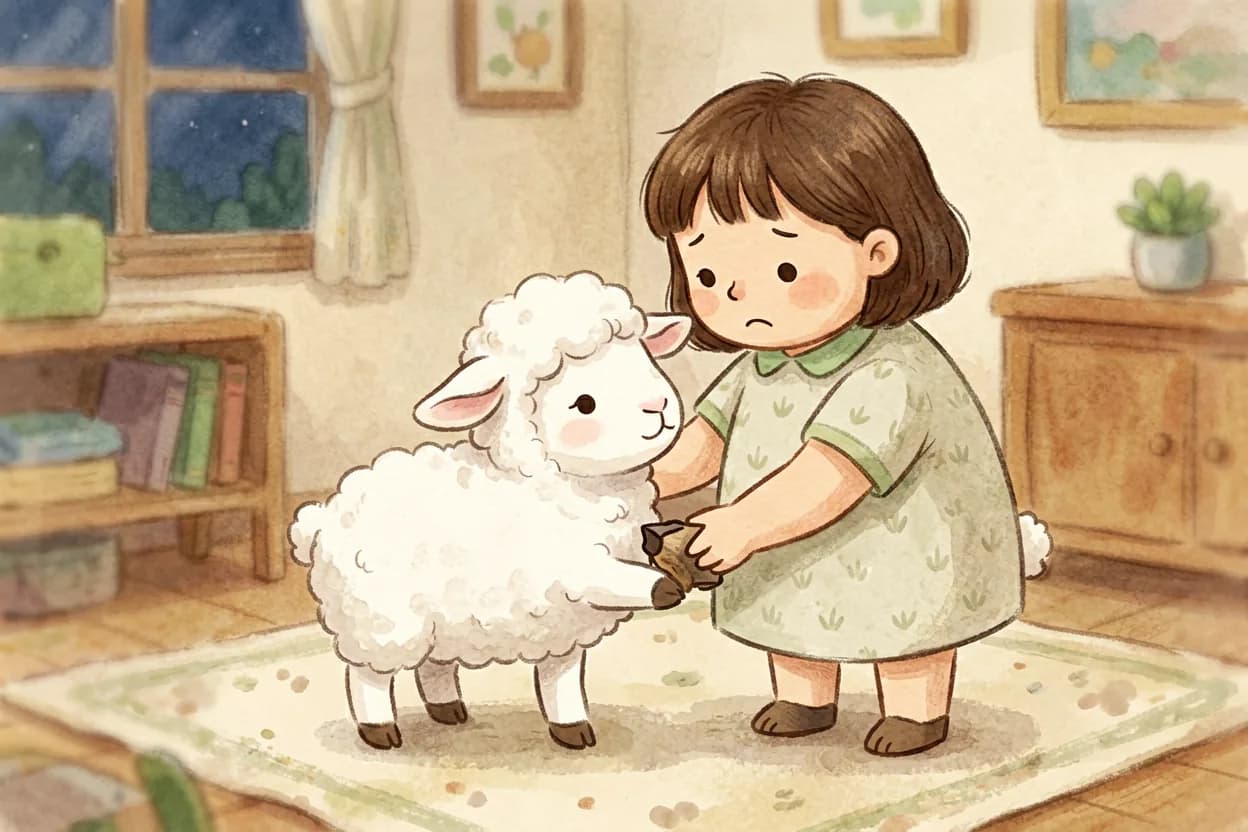
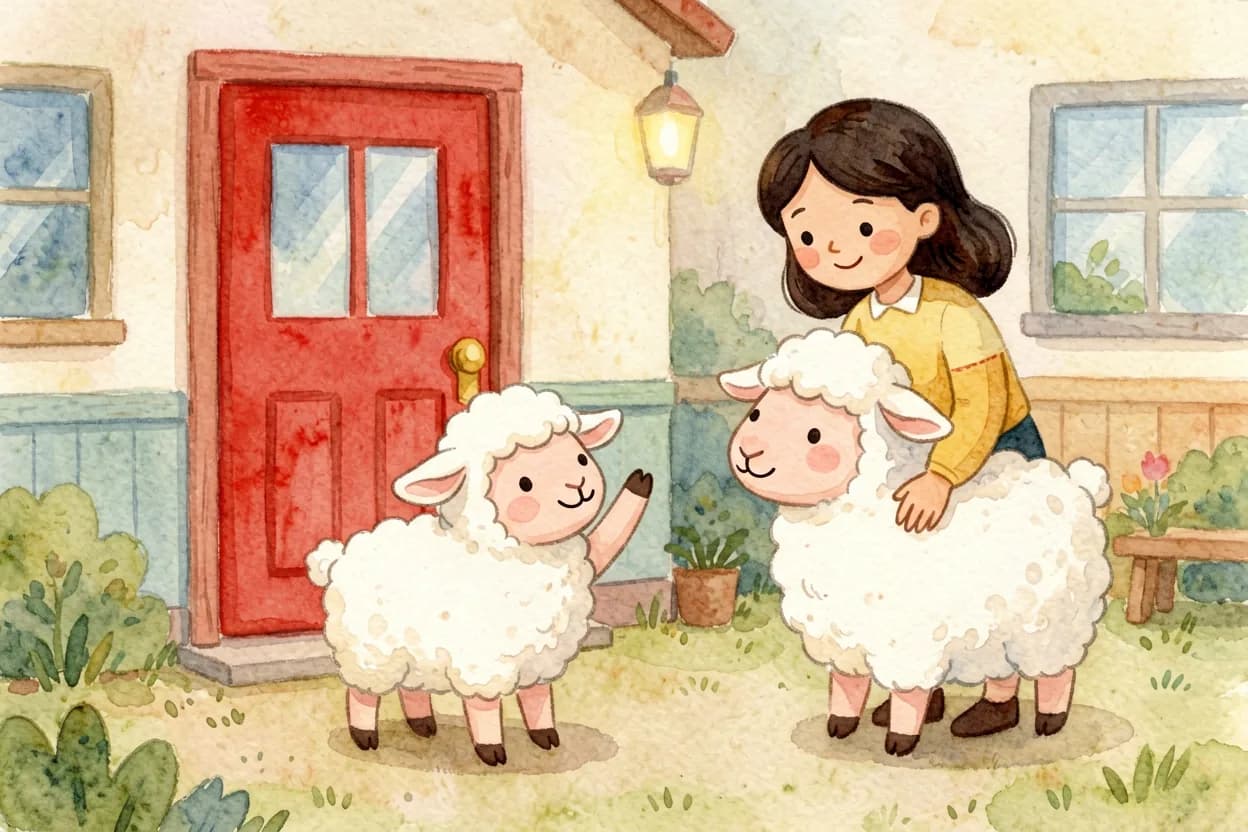
Tomorrow was a very big day. Tomorrow, Lulu the little lamb would start preschool. She held her mama's hoof tightly. "But what if I don't like it?" she asked. "What if you don't come back?"
"I will always come back," said Mama, kissing her woolly head. "Every single day. And I think you might just love it." But Lulu wasn't so sure.
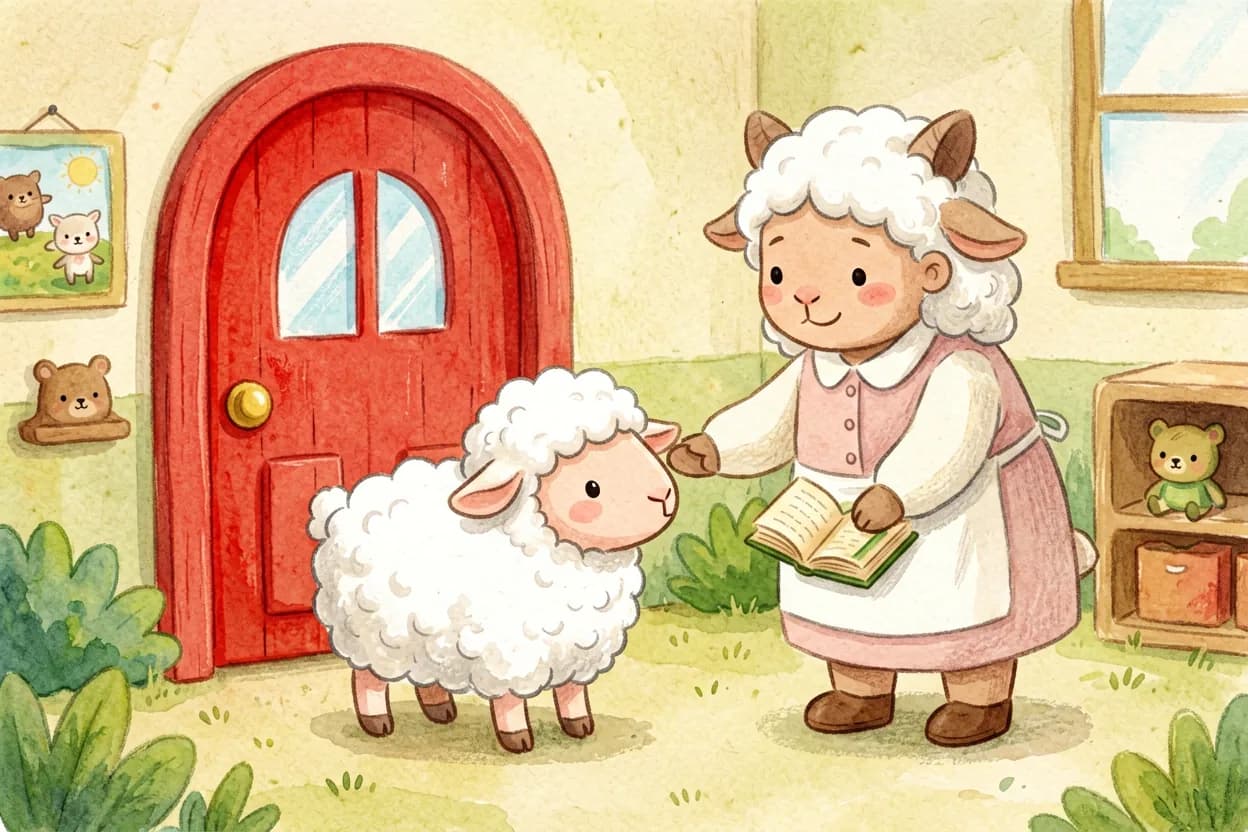
In the morning, they walked to a cheerful little building with a red door. A kind teacher named Miss Willow was waiting. "Welcome, Lulu!" she said warmly. "We're so happy you're here."
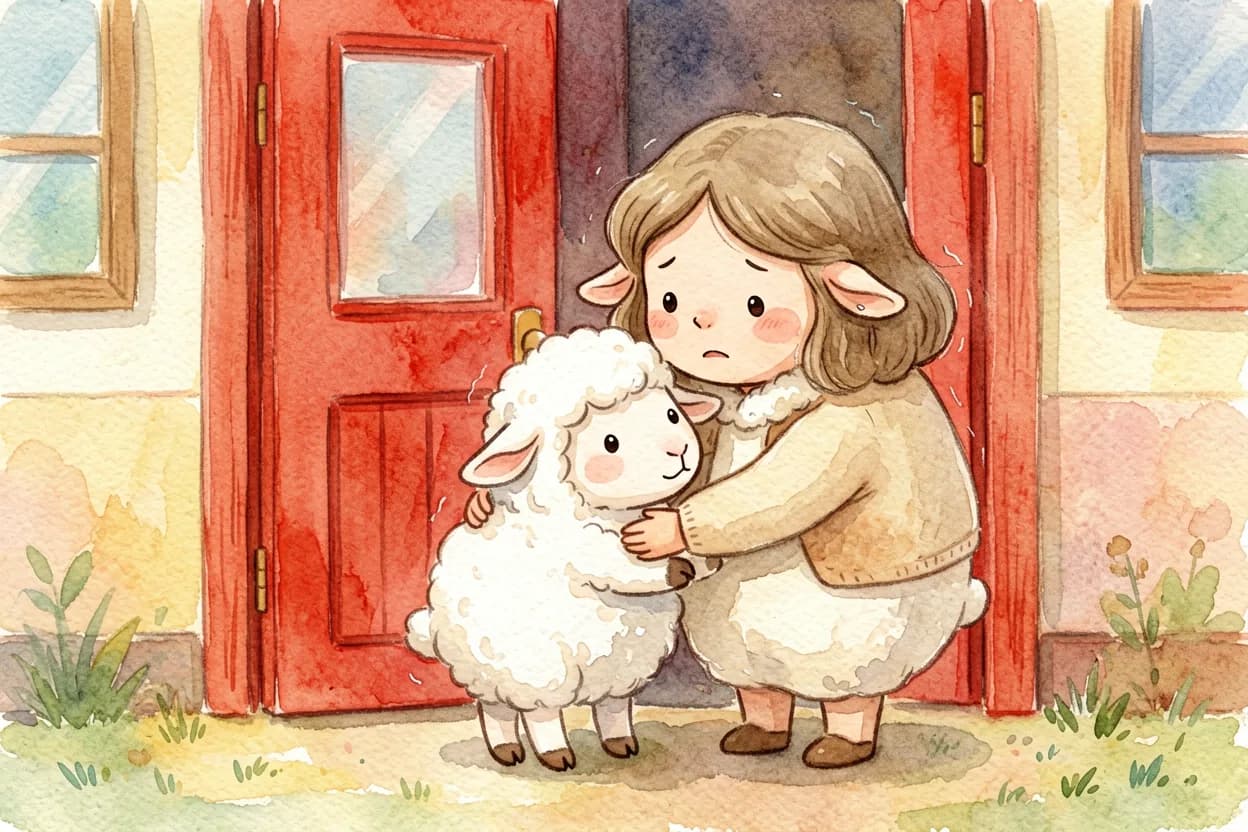
It was time for the goodbye. Lulu's tummy went all fluttery. She hugged Mama tight. "Remember," whispered Mama, "I'll be back after story time. Have a wonderful day." And with one more kiss, she was gone.
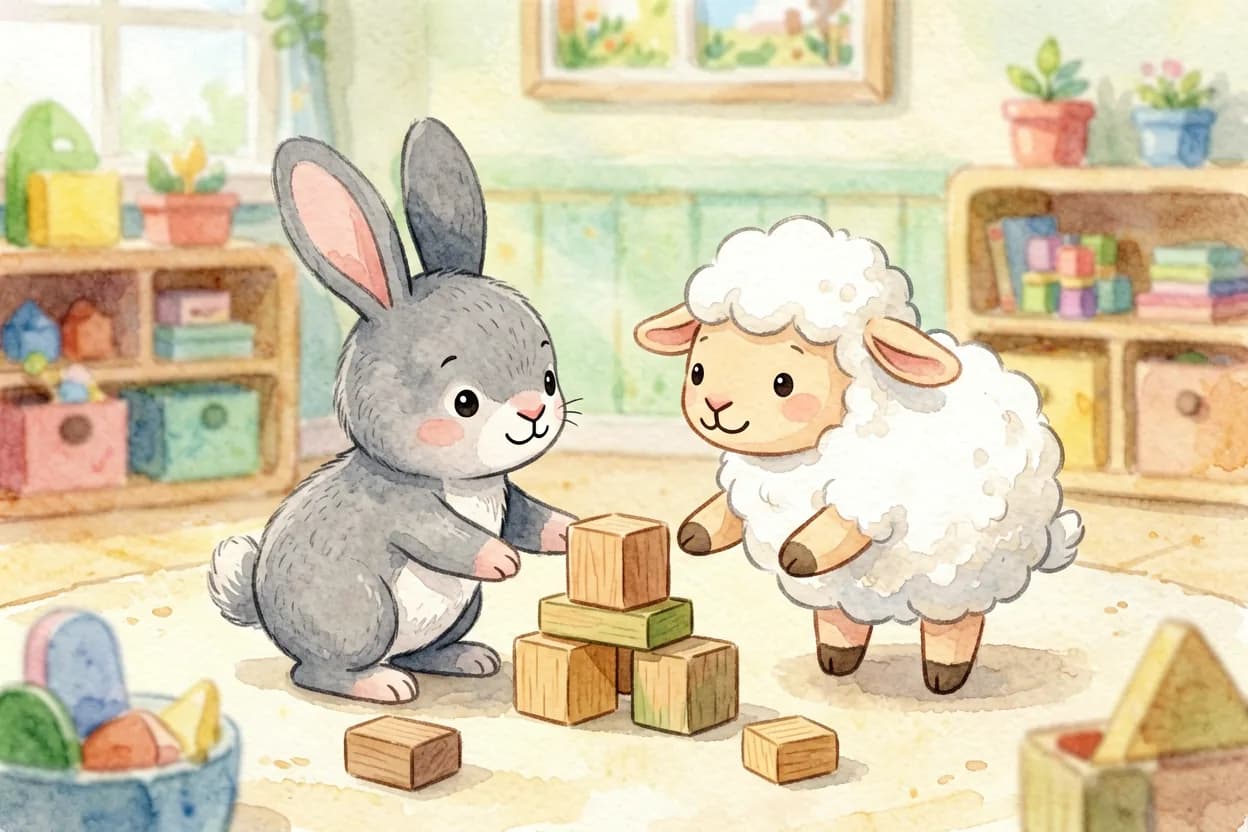
For a moment, Lulu's eyes filled with tears. The room felt big and strange. But then a little bunny came right up to her. "Hello! Do you want to build a tower with me?" she asked.
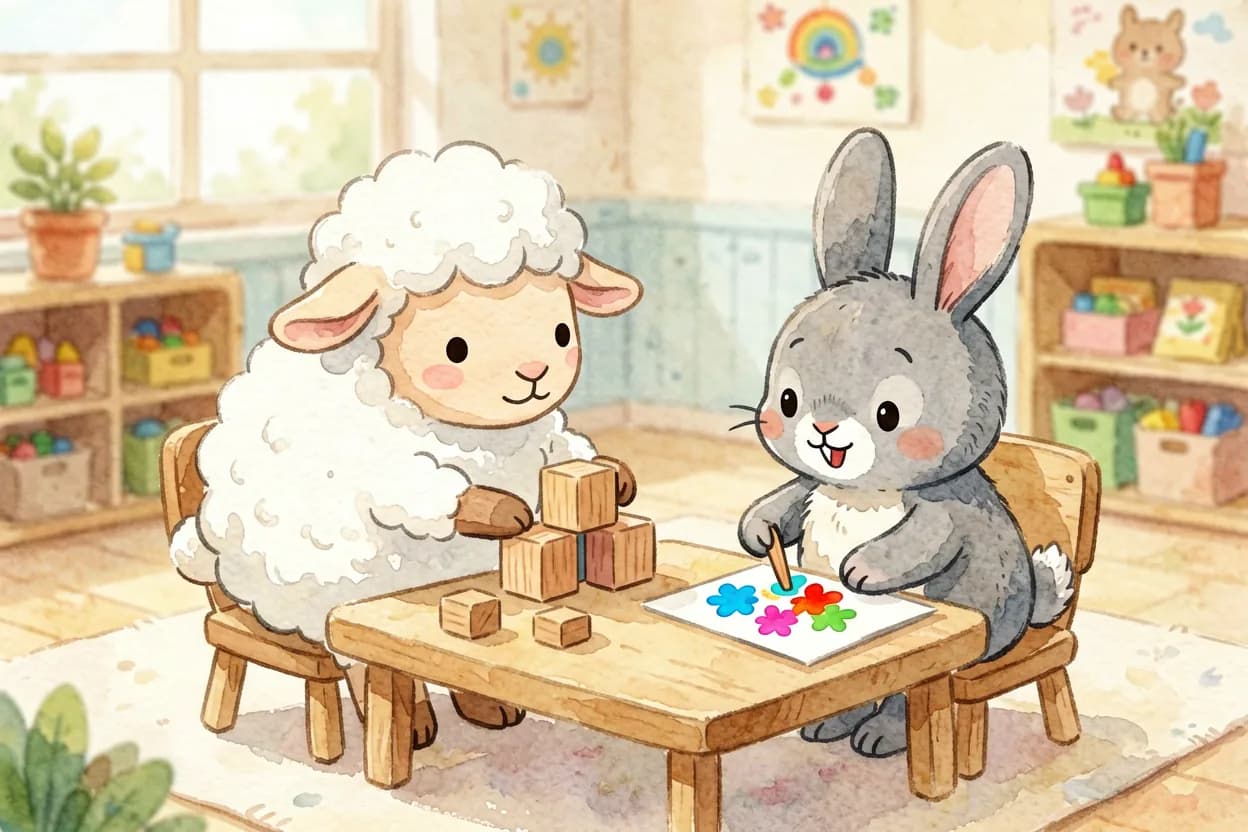
And just like that, the morning filled up with wonderful things. They built a wobbly tower. They painted with their hooves and paws. They sang songs and squished soft dough and giggled at snack time.
Lulu was having so much fun she almost forgot to feel worried — until story time came, and she looked up, and there was Mama at the red door, just like she'd promised.
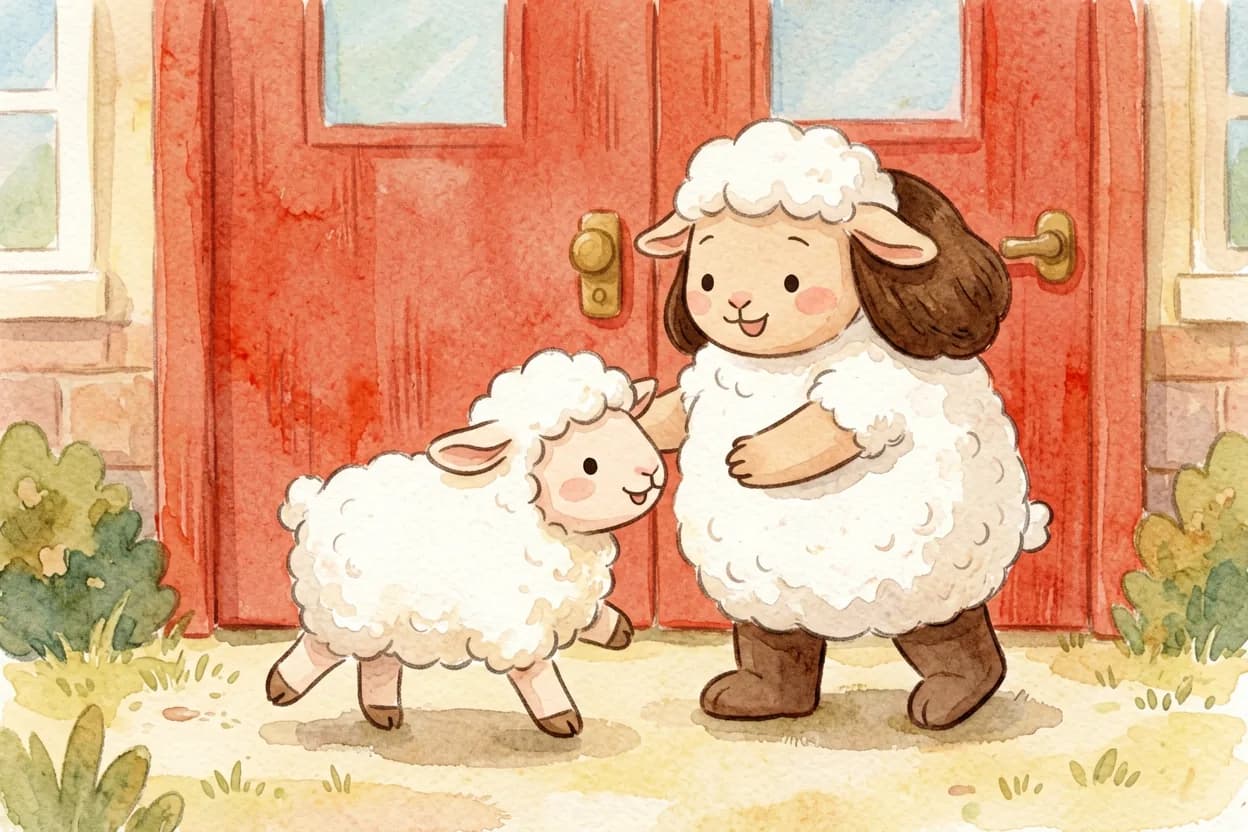
"You came back!" Lulu cried, running into her arms. "I always will," said Mama. "Did you have a good day?" Lulu beamed. "I made a friend. And I painted. And... can I come again tomorrow?"
And she did. Because sometimes the things that feel the scariest turn out to be the very best.
New places feel scary until they feel like fun. And no matter how far you go, the people who love you always come back.
Questions to ask after reading
- 1What was Lulu worried about the night before preschool?
- 2How did Lulu feel when Mama said goodbye?
- 3What helped Lulu start to feel better?
- 4What fun things did Lulu do at preschool?
- 5How did Lulu feel when Mama came back at the end? How do you think you'll feel?
Try it together: easing into preschool
A little preparation turns the great unknown into something familiar. These gentle activities build confidence before the first day.
- Practise the goodbye. Rehearse a short, cheerful goodbye routine at home — a special hug, a wave, a phrase like 'see you after story time.' A predictable goodbye is far easier than an improvised one at the door.
- Play preschool. Take turns being teacher and child at home: circle time, snack, tidy-up. Acting out the day makes the real one feel known and much less scary.
- Visit first if you can. If the setting offers a visit, go and see the room, the pegs, the toilet, the teacher. Familiar sights on day one calm a lot of nerves.
- Read the story often. Share Lulu's story in the weeks before, and again the night before. Talk about how she felt nervous and then had fun — and that the parent always came back.
- Make a goodbye token. Draw a little heart on their hand or tuck a family photo in their bag — a small reminder that you're thinking of them and will return.
How to use the story at each age
Before the first day
Talk positively and simply about what will happen, without over-building it into a huge event. Practise the goodbye, visit if you can, and read the story. Keep your own nerves in check around your child — they take their cues from you.
The first days and weeks
Keep goodbyes short, warm, and confident — lingering usually makes it harder. Reassure that you'll always come back, and always do, on time. Expect tears at drop-off even from children who settle happily minutes later; ask staff how they did rather than assuming the worst.
Settling in
Most children settle within a few weeks. Talk about their day with open questions ('who did you play with?'), celebrate small wins, and watch for tiredness — new settings are exhausting. If distress is severe or lasting well beyond the early weeks, chat with the teacher.
Common mistakes (and what to do instead)
- Sneaking away without saying goodbye. Slipping off to avoid tears can leave a child feeling abandoned and more anxious next time. A brief, honest goodbye — 'I'm going now, I'll be back after story time' — builds trust.
- Dragging out the goodbye. Long, tearful lingering raises the anxiety for everyone. A confident, loving, short goodbye tells your child you believe they'll be fine — which helps them believe it too.
- Passing on your own worry. Children read our faces. If you're visibly anxious, they absorb it. Project calm confidence at the door, even if you have a wobble in the car afterwards.
- Grilling them at pickup. A barrage of questions can overwhelm a tired child. Start with warmth and a snack; the stories about their day often come later, unprompted.
- Expecting instant love for it. Some children take weeks to settle, and early tears don't mean it's wrong for them. Give it time before drawing conclusions.
Making it work in everyday life
The story builds excitement; your daily rhythm carries a child through the transition. Here's where it shows up.
- At drop-off. Keep a consistent, cheerful goodbye ritual every day. Predictability is deeply reassuring — your child learns exactly what to expect.
- At pickup. Be on time, especially early on, and greet them with delight. Reliable, warm reunions teach the core lesson: you always come back.
- At home after. Expect big feelings and tiredness after a day of holding it together. Extra cuddles, an early tea, and a calm evening help them recharge.
- Talking about it. Weave preschool into everyday chat — 'I wonder what you'll paint tomorrow.' Keeping it a normal, positive topic steadies the nerves.
A simple checklist to follow
- Read the story together in the run-up, and the night before
- Practise a short, cheerful goodbye routine at home
- Reassure your child that you always come back — then always do
- Keep drop-off goodbyes warm, brief, and confident
- Be on time and delighted at pickup
- Expect tiredness and big feelings after; offer extra cuddles
Make the story about your child
A lamb named Lulu is a gentle guide. But children pay closest attention when the child facing the first day is someone they know by heart — themselves.
When your child is the hero who feels nervous at the door, makes a friend, and runs into your arms at pickup, the story stops being about a lamb and becomes a picture of their own big day going well. Their name, their nerves, their happy ending — exactly the reassurance they need the night before.
A generic story
A little lamb feels nervous on her first day of preschool and ends up loving it.
Your child's story
Zoe feels nervous on her first day of preschool, makes a new friend, and runs into mum's arms at pickup — with Zoe as the hero on every page.
Parents also ask
Is it normal for my child to cry at preschool drop-off?
Completely normal. Separation nerves usually peak in the first days and weeks and then ease. Many children who cry at the door settle happily within minutes — ask the staff how they did rather than assuming the tears lasted. Persistent, severe distress well beyond the early weeks is worth discussing with the teacher.
How can I prepare my child for starting preschool?
Talk simply and positively about what will happen, practise a short goodbye routine, visit the setting beforehand if you can, and read a story about starting preschool so your child knows what to expect. Keeping your own nerves in check matters too — children take their emotional cues from you.
Should I sneak away to avoid tears at drop-off?
It's best not to. Slipping off without a goodbye can leave a child feeling abandoned and more anxious next time. A brief, honest, confident goodbye — 'I'm going now, I'll be back after story time' — builds the trust that actually reduces the tears over time.
How long does it take for a child to settle into preschool?
Most children settle within a few weeks, though it varies. Some take to it in days; others need longer, and early tears don't mean it's the wrong place for them. Give it time, keep routines consistent, and talk to staff if you're concerned.
My child was excited but cried on the actual day. Is something wrong?
Not at all — excitement and nerves often sit side by side, and the reality of the goodbye can bring tears even from a keen child. It's a normal part of a big transition. Keep the goodbye warm and brief, and check in with staff about how the rest of the morning went.
How should I handle pickup?
Be on time, especially in the early days, and greet your child with genuine delight — reliable, warm reunions reinforce that you always come back. Go easy on the questions at first; a tired child often shares the details later, once they've had a snack and a cuddle.
Are personalized stories helpful for starting preschool?
For many children, yes. A story where they are the hero having a nervous-then-wonderful first day makes the experience feel familiar and reassuring, and gives them a picture of it going well. It's a lovely tool alongside gentle preparation and a confident goodbye.
More free stories for kids
About the author
Andy — Andy is the founder of Doodara and builds the illustration pipeline behind it — the part that has to keep a child's character looking like the same child on every page of a book. Most of that work is character consistency, content safety for material aimed at young children, and the unglamorous business of making a generated book good enough that a family reads it twice.